Pick the right path and we'll point you to the next step.
I'm the homeowner
Track this property, get market updates, and list it on Home when you're ready to sell or let.
I'm an estate agent
Claim your branch on Home.co.uk, list your properties for free, and reach buyers actively searching your area.
From riverside apartments to country cottages, search hundreds of thousands of properties for sale, to rent, and recently sold, all enriched with three decades of market data.
Browse 49 homes for sale in Brighton and Hove, England from local estate agents.
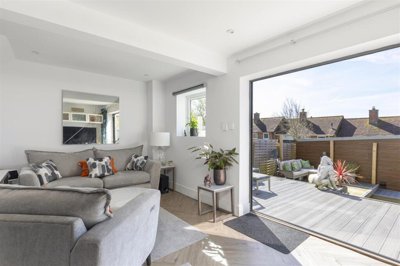
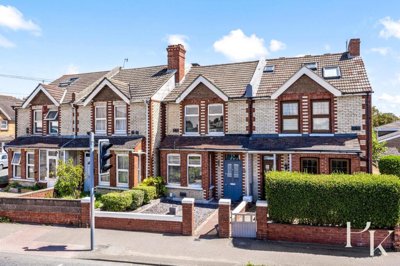
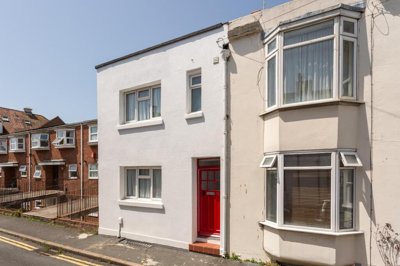
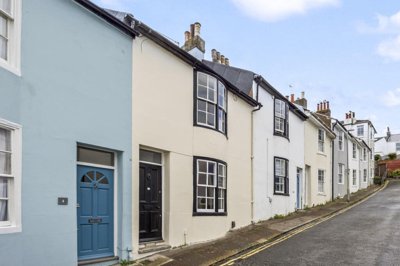
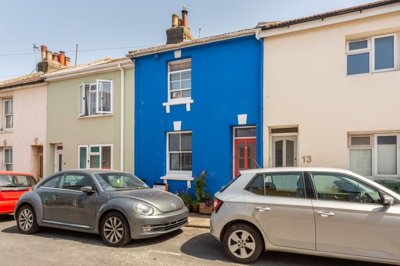
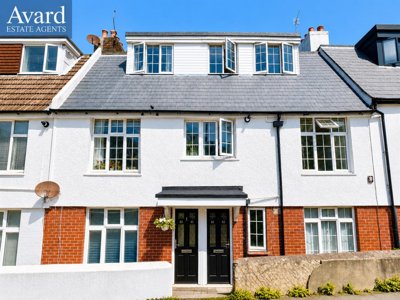
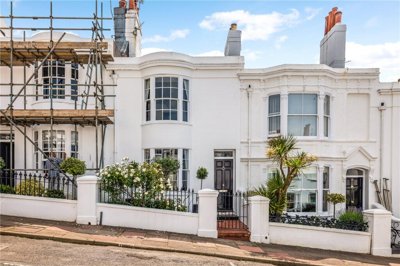
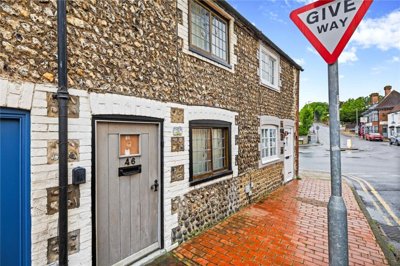
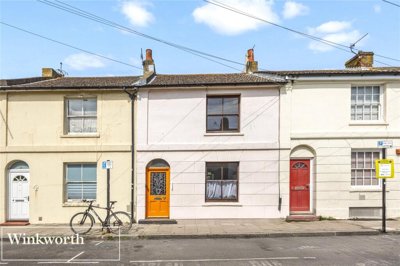
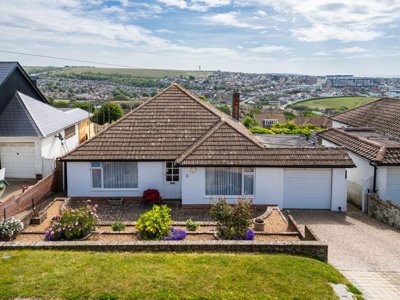
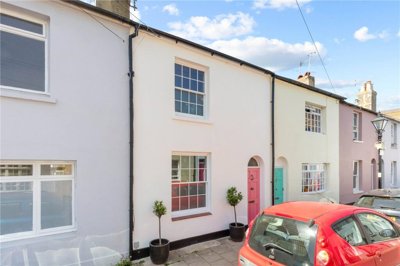
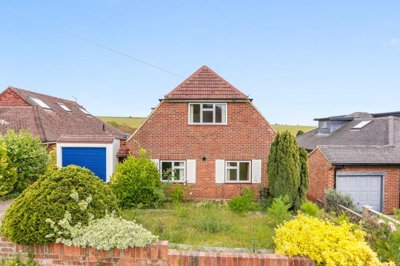
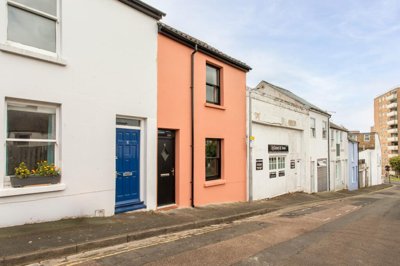
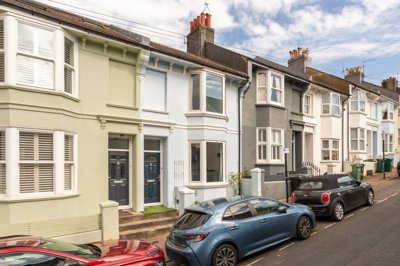
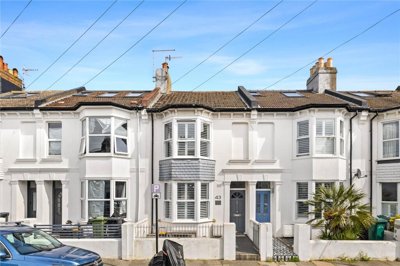
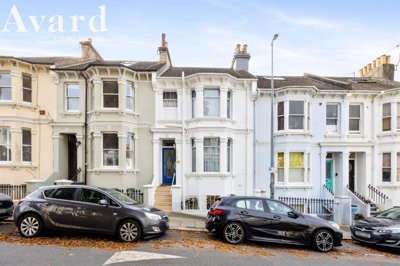
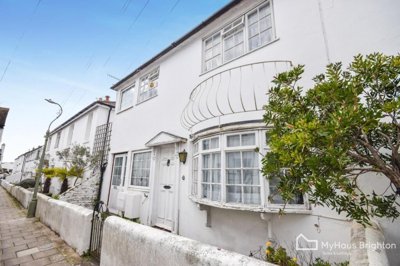
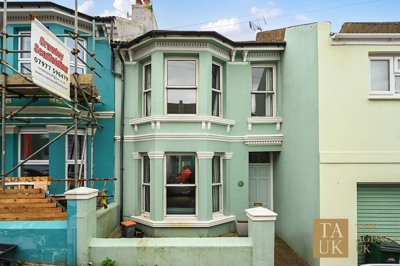
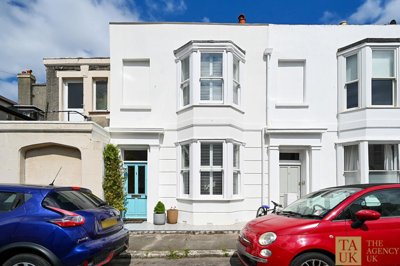
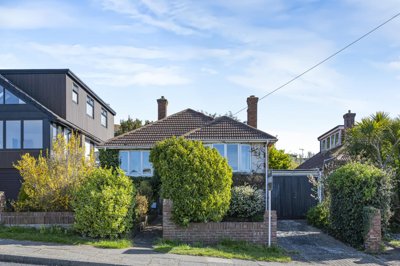
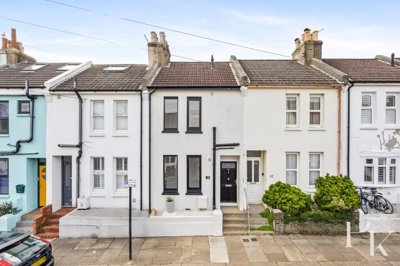
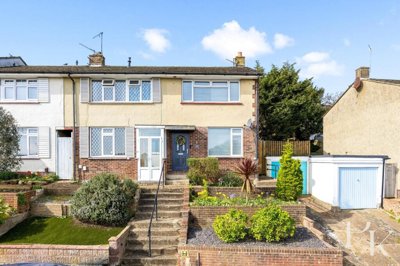
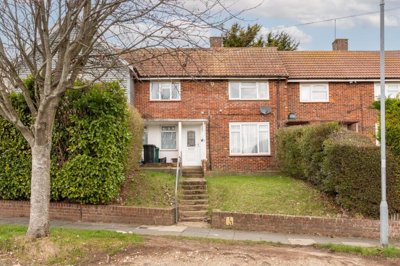
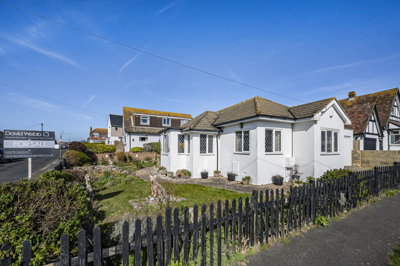
The 2 bed house market features detached, semi-detached, and terraced properties with two separate bedrooms plus living spaces. Properties in Brighton And Hove range from Victorian and Edwardian period homes to modern new builds, with pricing varying across different neighbourhoods.
£425k
117
10
111
Source: home.co.uk
Showing 117 results for 2 Bedroom Houses for sale in Brighton and Hove, England. 10 new listings added this week. The median asking price is £425,000.
Source: home.co.uk
Terraced
82 listings
Avg £448,536
Semi-Detached
23 listings
Avg £381,674
Detached
12 listings
Avg £455,000
Source: home.co.uk
Source: home.co.uk
Brighton and Hove has not drifted in the way some coastal markets have. Prices have kept rising, and in several neighbourhoods we still see more buyers than homes coming up for sale. Around the university area, smaller flats get attention from people buying their first home, while Hangleton and Hollingbury tend to come up in searches for extra space. homedata.co.uk shows the average property price in Brighton and Hove has risen sharply over the past decade, which underlines the city’s pull for living, working and long-term ownership. Close to the seafront, especially with views towards Brighton Palace Pier, prices usually sit at the top end. Further north, budgets often stretch further.
Islingword Road in Hanover tells one version of the Brighton story. Upper Rock Gardens, closer to the seafront, tells another. Across the city, Victorian and Edwardian terraces still carry the generous rooms and original details many buyers ask us about. Mid-twentieth-century purpose-built flats fill much of the middle ground, often giving new buyers and landlords a lower-cost route into the market. Around Kemp Town and Brighton Marina, newer apartment schemes add a different type of stock, with day-to-day services close at hand.
The rental market moves quickly. Bevendean, Moulsecoomb and the streets around Brighton Marina all see regular enquiries, helped by university campuses and city centre employment. We also see households renting before they buy, rather than rushing into a purchase. For buy-to-let investors, terraced houses in Woodingdean and Saltdean can produce useful yields, but void periods and repairs need to be built into the maths from the start. Our platform shows both sales and rental listings, so comparing what is actually available is less of a guessing game.

Brighton and Hove has a reputation for being open, creative and a little unpredictable. That is part of the draw. With a population of around 290,000, it is the largest coastal city in Sussex and a major cultural centre for the South East. The city has two miles of pebble beach, Brighton Palace Pier and the historic Lanes, where antique shops sit close to cafés and small retailers. The Brighton Marathon brings crowds in. So does Brighton Pride, one of the biggest dates in the city calendar.
Creative industries, digital technology, education and tourism all feed into Brighton and Hove’s economy. The University of Brighton and the University of Sussex both have campuses in the city, supporting local employment and keeping the age profile younger than in many coastal areas. Freelancers and small firms have also taken space in the co-working offices that have opened in recent years. For families, there are practical draws too. The Prince Albert Swimming Complex, community centres and local parks all matter, while Hove Park and St Ann's Well Gardens are regular choices for play equipment, sport and a quieter hour close to home.
Eating out is woven into daily life in Brighton and Hove. The Lanes remains one of the main places people head for dinner, with narrow streets that include long-running fish and chip shops as well as newer restaurants. North Laine has its own scene, especially for small cafés and informal food. Shopping has a similar split. Brighton Open Market is the place for fresh produce and vintage stalls, while Churchill Square covers the national high street names.

School choice is one of the reasons families look carefully at Brighton and Hove before buying. At primary level, Barnards Green Primary School and St Mary's Catholic Primary School are both names local parents raise often. Westdene Primary School is also praised for its classroom standards and supportive approach. St Luke's Primary School in the Queen's Park area is another one to check, as is Carden Primary School for families around Rottingdean. Catchments can be unforgiving, so we always suggest checking the admission rules before relying on a particular address.
Dorothy Stringer School in Fiveways tends to be high on many parents’ lists. Longhill High School serves communities in the east of the city, while Patcham High School covers the north. Varndean School, a mixed secondary in Fiveways, is also known for a good academic record. Brighton and Hove uses a coordinated admissions system, and a catchment address is not a guarantee, especially where a year group is full. That detail matters.
Selective education is available through the Brighton and Hove Grammar Schools consortium, which includes Brighton Grammar School and Varndean College for boys, with Varndean School for girls. These schools have strong academic records and consistent examination results. Brighton College is another well-known option, a co-educational independent school with a distinguished academic record and large facilities. For later study, the University of Brighton and the University of Sussex both offer undergraduate and postgraduate courses, and the University of Sussex is consistently ranked among the top universities in the UK for student satisfaction.

Rail is a big part of the Brighton and Hove property conversation. Brighton railway station runs regular trains to London Victoria and London Bridge, with the fastest services taking around 52 minutes. Gatwick Airport is about 30 minutes away by train from Brighton station, which suits buyers who travel often for work. The station has also had major redevelopment, improving facilities and accessibility. Southern Rail, Thameslink and Great Western Railway all operate from Brighton, so London is not the only route in play.
By road, the A23 gives Brighton and Hove its direct route towards London and the wider motorway network. It passes through Preston, Patcham and Woodingdean, although queues can build quickly at peak times, particularly on the way into the city centre. To reduce pressure in central streets, a park and ride scheme runs from the Brighton Racecourse site. The A270 is another cross-city route, joining the A293 and then the A27, which runs along the northern edge towards Worthing, Chichester and Portsmouth.
Brighton and Hove Bus Company runs a broad local bus network across the city and out to nearby towns. The 1 and 1A go to Brighton Marina, the 5 serves Woodingdean, the 46 runs to Saltdean and the 77 goes to the University of Sussex campus. Cycling has a place here as well. National Cycle Route 2 passes through Brighton on its Dover to Saltash route, while the South Downs National Park gives riders more open-country options. The South Downs Way is harder work. The Level seafront promenade is gentler, though summer weekends can get crowded.

Before viewings begin, get a mortgage agreement in principle from a lender. It shows how much you can borrow and gives sellers more confidence that funding is lined up. In Brighton and Hove, where good homes can go quickly, that matters. Having the finance sorted before booking viewings can put you ahead of a buyer who is still working out their numbers.
Kemp Town is not the same market as Patcham, and Rottingdean feels different again. Brighton and Hove is made up of neighbourhoods with their own price points and property types. Kemp Town has Regency architecture and seafront streets. The Lanes and North Laine have a more bohemian feel. Preston has a smaller-scale residential setting, while Patcham often comes up for more affordable family houses. Rottingdean brings a village green and coastal walks into the search. Knowing those differences stops buyers wasting weekends on areas that were never quite right.
Homemove brings together listings from major agents, but it can still pay to speak directly to local estate agents in Brighton and Hove. Some homes are discussed before they appear online. Fox and Sons on Brighton Road and Brand Vaughan in the city centre are established names, and both may know about off-market opportunities or new instructions before wider advertising begins.
Book viewings for homes that match the brief, then try to see the area at more than one time of day. Noise, traffic and the feel of a street can change. Near the Palace Pier and seafront, summer weekends bring more visitors, while central spots around London Road can pick up late-night noise. A second look in different conditions often tells you more than the first viewing.
Once an offer is accepted, arrange a RICS Level 2 survey before committing fully. Brighton and Hove has many older homes, and hidden defects are not unusual. Victorian terraces can show timber decay, ageing roofs and problems with older services. Basement areas are another point to watch, especially where damp is present. Our RICS Level 2 survey in Brighton and Hove gives our surveyors the chance to inspect the property properly and report back in detail.
Your conveyancing solicitor deals with the legal work, including searches, contracts and land registry checks. In the Brighton area, the average purchase timeline is around 8-12 weeks from offer acceptance to completion. Chains can slow things down, and leasehold paperwork sometimes takes longer than expected. We recommend using a solicitor who already knows Brighton and Hove properties, because local searches and area-specific issues are easier to interpret with experience.
Many homes here are older, so buyers need to look beyond the attractive frontage. Victorian and Edwardian houses are common in central areas and along the seafront, and they can come with ageing plumbing, old electrics or roofs that are nearing the point of repair. A proper survey is essential on any period home. In Kemp Town, the raised beach level can make basements and lower ground floors more vulnerable to damp and moisture ingress. Those rooms deserve particular attention.
Converted flats form a large share of the market, especially in Brunswick, Aldrington and the Regency terraces near the seafront. Lease terms need a close read, including ground rent and service charge levels. Many Brighton conversions date from the 1980s and 1990s, so the remaining lease term may be shorter than buyers expect. We always recommend checking how many years are left and whether a lease extension is available before moving ahead. Shared-area management is another point to review, as maintenance disputes do arise in converted buildings.
Flood risk should be checked in some parts of Brighton and Hove, particularly low-lying locations near the River Adur or coastal zones. The River Adur runs to the east of the city, and homes in Southwick and Portslade may be affected by river flooding. Coastal flooding is monitored by the Environment Agency, and properties in flood risk areas may need specialist insurance. Conservation areas include the historic Lanes, Kemp Town and stretches of the seafront. They can restrict external alterations or extensions, which protects local appearance but may limit future plans.

Average property prices in Brighton and Hove shift a lot by neighbourhood and property type. Central flats typically start from around £250,000. Terraced houses on residential streets often exceed £400,000. Detached family homes in Roedean, Withdean and the seafront Regency squares can reach £600,000 or more. Prices have grown consistently in recent years, helped by buyer interest in coastal living and regular rail services to London.
Brighton and Hove City Council sets the council tax bands for properties across the city. Most homes fall into bands A through D, with band A carrying the lowest charge and band H the highest. The band depends on the property’s assessed value. For a specific address, check the Valuation Office Agency website or the Brighton and Hove City Council website before finalising your budget.
Several Brighton and Hove schools are well regarded, but the right choice still depends on address, admissions and year group availability. At primary level, Barnards Green Primary School, St Mary's Catholic Primary School and Westdene Primary School are names to review. For secondary education, Dorothy Stringer School, Longhill High School and Brighton Grammar School all have strong academic reputations. Brighton College is one of the better-known independent schools in the city. Parents should check current Ofsted ratings and admission criteria before making a purchase decision.
Public transport in Brighton and Hove is a practical reason many buyers consider the city. Brighton railway station has frequent trains to London Victoria and London Bridge, with journey times of approximately 52-65 minutes. Gatwick Airport is reachable in around 30 minutes by train. Brighton and Hove Bus Company operates local services across the city and into surrounding areas. National Express coaches also serve the city, with connections to other South Coast towns.
Brighton and Hove has historically performed well for property investment, with consistent capital growth and healthy rental yields in certain areas. Rental demand is supported by the university, hospital and creative industries sectors. The Marina, Kemptown and streets near the university campuses tend to see enquiries through much of the year. Ongoing development and improvements to transport infrastructure have also helped support property values. Buyers still need to test each area properly, including likely rent, void periods and maintenance costs.
Stamp Duty Land Tax rates for standard buyers start at 0% on properties up to £250,000, then 5% on the portion between £250,001 and £925,000. For properties priced between £925,001 and £1.5 million, the rate is 10%, rising to 12% for properties over £1.5 million. People buying their first home and paying £625,000 or less pay 0% on the first £425,000 and 5% on the remainder. Your own stamp duty figure should be calculated against the purchase price and buyer status.
Victorian and Edwardian terraces in Brighton and Hove often show problems linked to age and coastal exposure. Roofs on period properties may need attention, with slipped tiles and ageing felt among the findings our surveyors often see. Timber sash windows in Regency and Victorian buildings can rot if maintenance has been patchy. Salt air also speeds up wear on seafront properties, affecting metalwork such as gutters, downpipes and structural fixings. Basement dampness is common in homes built on the raised beach level, particularly after heavy rainfall. Our RICS Level 2 survey identifies these issues and gives you a clear view of condition before purchase.
Seafront homes in Brighton and Hove can come with views across the beach, but they need careful checking. Properties on Marine Parade and nearby Regency terraces often command premium prices, and some may pick up noise from Palace Pier events or the promenade during summer months. Coastal erosion affects cliffs to the east of the city, so buyers looking around Grove Wood should review any local geology reports. Maintenance costs are usually higher on the seafront because wind, rain and salt air all take their toll. Some buyers still decide the setting is worth it.
From 3.8% APRC
Compare mortgage deals for a Brighton and Hove purchase and work out the finance before you offer
From £499
Legal support for buying a property in Brighton and Hove, from offer through to completion
From £350
RICS-qualified surveyors carrying out professional property surveys across Brighton and Hove
From £80
Energy Performance Certificate checks for Brighton and Hove homes being prepared for sale
Buying in Brighton and Hove means budgeting for more than the asking price. Stamp Duty Land Tax is one cost to factor in, and a standard buyer purchasing at £400,000 would pay £7,500. People buying their first home pay no stamp duty up to £425,000, which can make the first purchase more manageable. Above £625,000, that relief tapers away, so higher-priced purchases do not receive the same break.
Conveyancing fees in Brighton and Hove usually start from around £500-£1,500, depending on the transaction and whether the property is freehold or leasehold. Leasehold purchases require extra checks on lease terms, ground rent and service charges, so the bill can rise. A RICS Level 2 survey typically costs £350 to £600, based on property size. An Energy Performance Certificate is usually around £80-£120. Mortgage buyers may also have arrangement fees, valuation fees and broker fees, which can add several thousand pounds. Build those figures in alongside the deposit before setting a final budget.
Removal costs vary widely, depending on the amount being moved and the distance to the new home. Buildings insurance must be in place from completion day, and lenders will usually ask for proof before releasing funds. Survey fees are sometimes overlooked, particularly by people buying for the first time, but they can save far more than they cost if they uncover a serious issue. Our platform connects you with competitive quotes for these services, making the budget for a Brighton and Hove purchase easier to pin down.

Properties for Sale In London

Properties for Sale In Plymouth

Properties for Sale In Liverpool

Properties for Sale In Glasgow

Properties for Sale In Sheffield

Properties for Sale In Edinburgh

Properties for Sale In Coventry

Properties for Sale In Bradford

Properties for Sale In Manchester

Properties for Sale In Birmingham

Properties for Sale In Bristol

Properties for Sale In Oxford

Properties for Sale In Leicester

Properties for Sale In Newcastle

Properties for Sale In Leeds

Properties for Sale In Southampton

Properties for Sale In Cardiff

Properties for Sale In Nottingham

Properties for Sale In Norwich

Properties for Sale In Brighton

Properties for Sale In Derby

Properties for Sale In Portsmouth

Properties for Sale In Northampton

Properties for Sale In Milton Keynes

Properties for Sale In Bournemouth

Properties for Sale In Bolton

Properties for Sale In Swansea

Properties for Sale In Swindon

Properties for Sale In Peterborough

Properties for Sale In Wolverhampton

Enter your details to see if this property is within your budget.
Loans, cards, car finance
Estimated property budget
Borrowing + deposit
You could borrow between
Typical borrowing
Monthly repayment
Est. at 4.5%
Loan-to-value
This is an estimate only. Your actual budget may vary depending on interest rates, credit history, and personal circumstances. For an accurate affordability assessment, speak to one of our free mortgage advisors.
This calculator provides estimates for illustrative purposes only and does not constitute financial advice. Your home may be repossessed if you do not keep up repayments on your mortgage. Estimates based on 4.5% interest rate, repayment mortgage. Actual rates depend on your circumstances.
Homemove is a trading name of HM Haus Group Ltd (Company No. 13873779, registered in England & Wales). Homemove Mortgages Ltd (Company No. 15947693) is an Appointed Representative of TMG Direct Limited, trading as TMG Mortgage Network, which is authorised and regulated by the Financial Conduct Authority (FRN 786245). Homemove Mortgages Ltd is entered on the FCA Register as an Appointed Representative (FRN 1022429). You can check registrations at NewRegister or by calling 0800 111 6768.

We use cookies to show you personalised content and improve your experience of our website. Find out more in our Privacy policy and Cookie policy.