Pick the right path and we'll point you to the next step.
I'm the homeowner
Track this property, get market updates, and list it on Home when you're ready to sell or let.
I'm an estate agent
Claim your branch on Home.co.uk, list your properties for free, and reach buyers actively searching your area.

From riverside apartments to country cottages, search hundreds of thousands of properties for sale, to rent, and recently sold, all enriched with three decades of market data.
Browse 31 homes for sale in Edinburgh, Scotland from local estate agents.
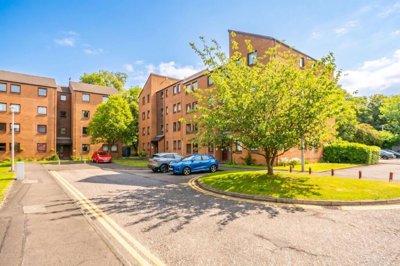
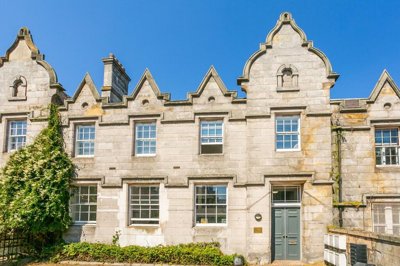
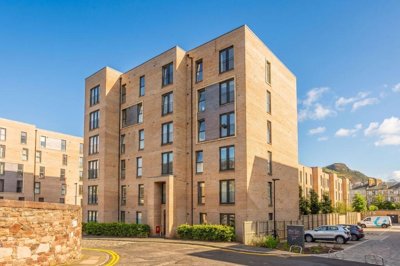
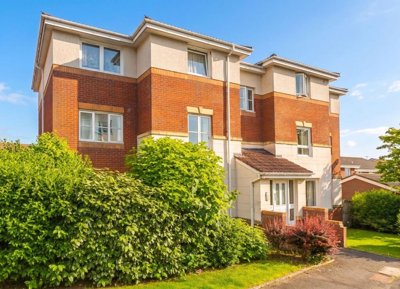
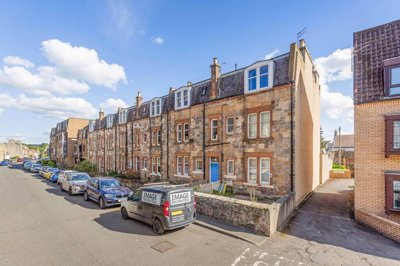
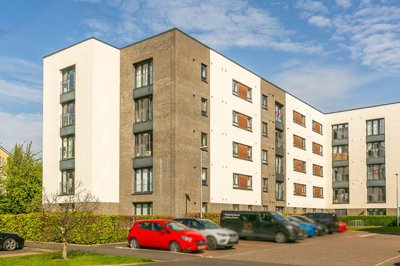
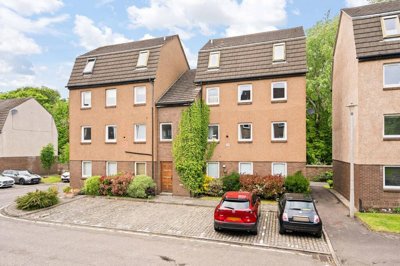
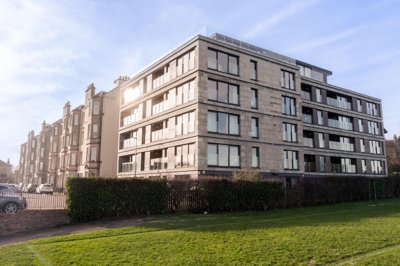
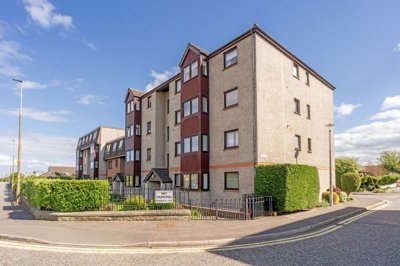
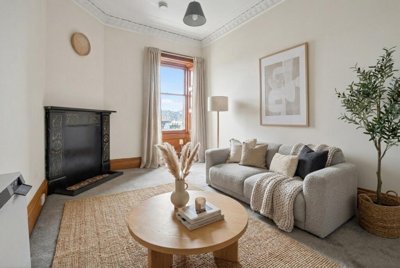
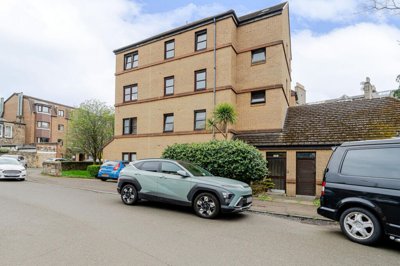
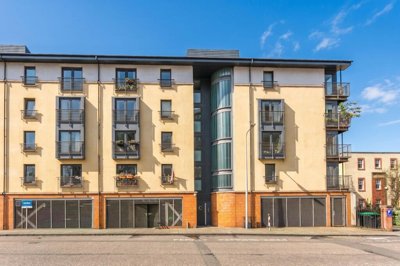
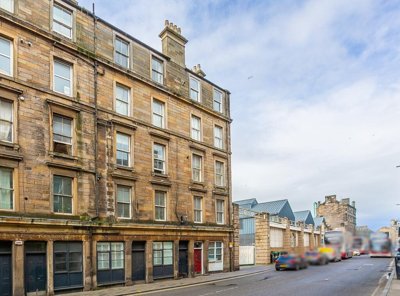
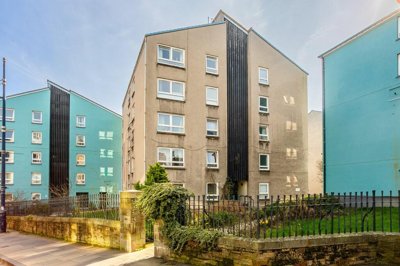
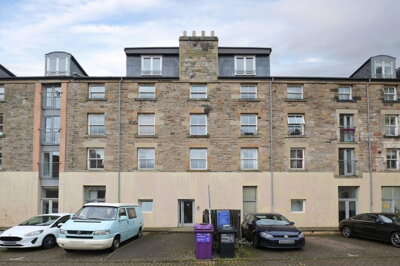
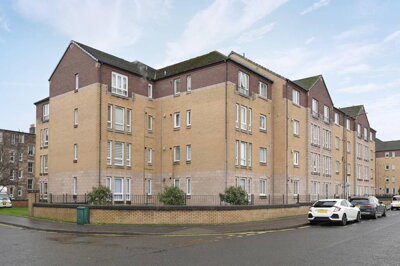
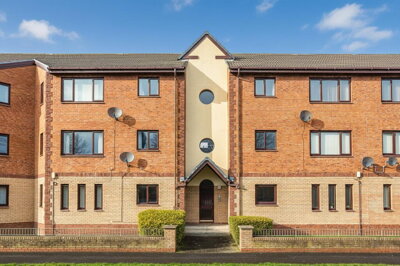
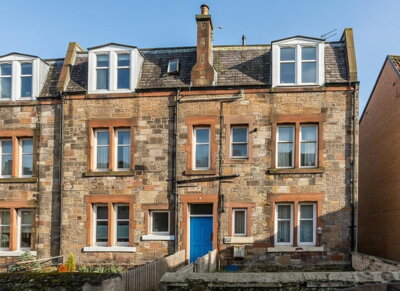
One bed apartments provide a separate bedroom alongside distinct living space, bathroom, and kitchen areas. Properties in Edinburgh are available in various building types including mansion blocks, contemporary developments, and house conversions.
£190k
216
27
85
Source: home.co.uk
Showing 216 results for 1 Bedroom Flats for sale in Edinburgh, Scotland. 27 new listings added this week. The median asking price is £190,000.
Source: home.co.uk
Flat
216 listings
Avg £207,208
Source: home.co.uk
Source: home.co.uk
Edinburgh has stayed firm in recent years, with limited supply across the city and steady demand from buyers moving up from London and the south of England. Our current listings span 3,650 properties, from traditional sandstone tenements at £248,214 to £277,832, through to larger family homes in Murrayfield, Barnton, and Davidsons Mains at £716,608 to over £1,236,286. In the city centre, one and two-bedroom flats in the New Town and West End usually change hands between £250,000 and £500,000, with condition and period features making the difference.
Leith Walk, Granton, and the Edinburgh Waterfront are still being altered by new build schemes. In these areas, apartments and townhouses often include modern specifications, energy-efficient systems, underground parking, and resident facilities, and two-bedroom flats commonly start from £282,716. Older homes are still heavily chased, especially Victorian and Edwardian flats in Morningside, Bruntsfield, and Stockbridge, where original features, larger rooms, and those postcodes keep bidding interest high. Renting stays busy as well, and average yields of 5-6% for flats keep buy-to-let in the frame for many buyers.
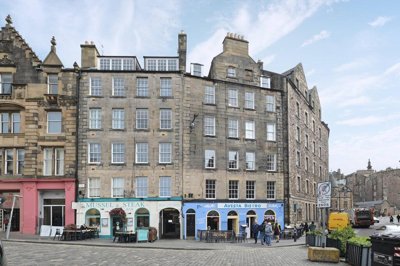
Edinburgh's housing stock runs from medieval wynds near the Grassmarket to modern apartments at Ocean Terminal. That spread really matters. Traditional tenements tend to have stone construction, high ceilings, and shared stairwells, while Georgian and Victorian homes often retain cornicing, fireplaces, and sash windows. Properties built since the 1990s usually come with better insulation and modern heating, even if they do not have the same feel as older places. We find buyers who understand those differences are in a stronger position to spot maintenance issues and likely defects before they commit.

Set around volcanic hills and valleys, Edinburgh is shaped by its ground as much as its buildings, with the castle perched on ancient rock above the streets. The city divides quite naturally between the medieval Old Town, where steep closes and winding streets run off the Royal Mile, and the Georgian New Town, where grand terraces and garden squares were laid out in the late 18th century. Stockbridge, Canonmills, and the Shore in Leith sit close to the centre, with independent shops, artisan cafes, and well-known pubs nearby. Many families start with Cramond, Blackhall, and Corstorphine, where good schools sit beside green space and day-to-day essentials.
About 550,000 people live in Edinburgh, including a large student population attending the University of Edinburgh, Heriot-Watt University, and Napier University. The city also pulls in workers from finance, technology, the creative industries, and the public sector, which gives it a broad, well-educated population. Cultural life barely slows, with the Edinburgh Festival Fringe, the Royal Edinburgh Military Tattoo, and Hogmanay bringing in millions of visitors across the year. If outdoor space matters more, there is the Royal Botanic Garden, Holyrood Park with Arthur's Seat, and the Pentland Hills Regional Park on the edge of the city.
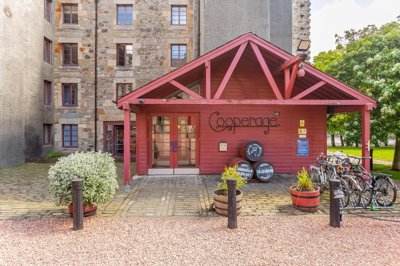
One reason Edinburgh feels so different from district to district is the housing stock. Leith, formerly a working port, now mixes converted warehouse apartments with traditional tenements and new waterfront developments. Morningside and Bruntsfield have a village atmosphere, with independent retailers, traditional pubs, and the Meadows close by. In the New Town, Georgian apartments and townhouses sit near George Street. Then there is South Queensferry, with historic cottages and family houses looking towards the Forth bridges, while Liberton and Gilmerton usually bring more affordable options and good local schools.

Education is a big pull in Edinburgh, and families tend to look hard at it before anything else. The City of Edinburgh Council runs over 70 primary schools and 20 secondary schools, including James Gillespie's High School, Boroughmuir High School, and the Royal High School. Catchment areas matter because primary schools often have strong reputations. In Morningside, Cramond, and Davidson's Mains, schools regularly appear near the top of Scottish rankings, and Education Scotland inspections can give parents a useful sense of standards.
State schools are only part of the picture. Edinburgh Academy, Fettes College, Stewart's Melville College, and George Watson's College all provide education from nursery to sixth form, and annual fees usually fall between £12,000 and more than £20,000. Even at that level, these schools continue to post strong academic results and solid university placements. Higher education is led by the University of Edinburgh, widely known across the UK for arts, humanities, medicine, and informatics. Edinburgh College and the city's other Further Education colleges matter too, especially for vocational courses and routes into university at different ages.
For buyers focused on state schooling, catchment needs close attention. Edinburgh uses strict catchment zones, so living inside a school's area does not guarantee a place, although it does improve the chances of admission. That is one reason homes near boundary lines can carry a premium, as Cramond and Blackhall often show when highly rated schools are involved. We always suggest checking the latest catchment boundaries with the City of Edinburgh Council and keeping an eye on future school rolls, because intake policies and pupil numbers do move over time.

Edinburgh works well for getting around Scotland and for reaching the rest of the UK. Edinburgh Waverley, in the city centre, has direct trains to London King's Cross taking about 4.5 hours, and the quicker Azuma services cut that to under 4 hours. North Berwick remains a common commuter belt option because the coastal route is scenic and the trip into Edinburgh is just 35 minutes. Glasgow is close enough too, with regular ScotRail services taking around 50 minutes.
Out by Turnhouse, Edinburgh Airport serves over 150 destinations. That includes regular flights to London hubs, European cities, and longer routes through Dubai and Abu Dhabi. The tram reaches the city centre in roughly 35 minutes, and the extended line now runs to Leith, the Ocean Terminal, and Newhaven waterfront. Across the rest of Edinburgh, Lothian Buses cover the city well, with single fares of around £2 and day tickets for unlimited travel. Cycling is getting simpler thanks to dedicated routes and the Boris bike-sharing scheme, while the bypass and motorway network link directly to the M8 for Glasgow and the M90 for Perth and the north.
Since LNER Azuma services arrived, commuting between Edinburgh and London has become much more workable. Direct trains now get to London in under 4 hours, which makes day trips feasible and puts London-based employers within reach for more buyers. Around Haymarket station, the West End sees plenty of interest for exactly that reason, and also because it sits near the financial district around Exchange District. One practical cost to remember, though, is the season ticket, which can top £5,000 a year for peak-time travel to London.

Before starting a search in Edinburgh, we think it helps to narrow down which neighbourhood actually suits your budget and daily routine. A city centre flat will feel very different from a suburban family house, so schools, transport, and local priorities need sorting early. We also suggest seeing places at different times of day and across the week. In Edinburgh, that often tells you more than a first viewing.
It is worth speaking to Edinburgh lenders or brokers early and getting a mortgage Agreement in Principle before viewings begin. In a competitive market, that can make an offer look more serious because sellers know financing is already lined up. Scottish mortgage processes also come with their own details, including lender valuation surveys. Knowing your borrowing limit at the outset helps keep the search focused on homes you can actually afford.
We use Homemove to track current listings across Edinburgh, from flats in Leith and Morningside to houses in Cramond and Currie. Viewings can then be arranged through the listed estate agents, with a note made of any property that may need surveys or extra investigation. During a viewing, we pay close attention to common parts in tenement buildings, visible damp, any sign of structural movement, and the condition of neighbouring properties. In Edinburgh, those clues often point to future maintenance costs.
Before a purchase goes ahead, we usually recommend a RICS Level 2 Survey for a modern property or a Level 3 Survey for an older home. Edinburgh's historic stock often needs a closer look at the structure, the stonework, and likely defects. Tenements need particular care. A proper survey can pick up shared roof problems, foundations affected by previous mining activity, or expensive stonework repairs that would not be obvious during a standard viewing.
Scottish transactions follow a legal process that is quite different from England and Wales, so we always tell buyers to instruct an Edinburgh conveyancing solicitor early. That solicitor will deal with title checks, property reports, and completion through Registers of Scotland. The main distinction is that offers become legally binding earlier in the process. Once subjects are lifted, matters usually move from acceptance to completion faster than many buyers expect.
In Scotland, once an offer has been accepted and subjects are lifted, the sale moves on to a fixed completion date. Your solicitor transfers the funds and registers ownership with Registers of Scotland, which is the point at which you become the new owner. There is no separate exchange date, unlike in England. That tends to give more certainty over timing.
Buyers in Edinburgh do need to stay alert, because the housing stock is broad, from medieval wynds and Georgian terraces to Victorian tenements and modern apartments. Tenement flats can come with factor disputes, stair repair costs, older maintenance issues, and shared responsibility for common parts. Conservation area homes need extra care too. In the Old Town, the New Town, and various village conservation areas, planning rules may restrict alterations and extensions. Before going further, we would ask for a record of historic maintenance costs, any outstanding works, and current factor contributions.
Flood risk is patchy across Edinburgh, so some addresses need more digging than others. Homes near the Water of Leith and other watercourses deserve close attention, and lower Leith or places near the River Almond, including Ratho, should have flood searches and insurance checked properly. Ground conditions also vary by district. Some sites sit on volcanic rock and need specialist foundations, while others rest on soils that affect construction in different ways. If a building is listed for its architectural or historic interest, alterations will need consent, which can narrow renovation plans. With older homes in particular, the right searches and surveys matter because hidden defects may not show up in a viewing.
On Edinburgh tenements, roof and chimney decay is common enough, and stonework erosion can be serious, especially on south-facing walls that take the prevailing winds. Damp is another regular issue in solid-wall properties without modern damp proof courses. Period windows often have to be refurbished rather than replaced if conservation rules or the building's character are to be preserved. Older houses can also need a full rewire to meet current standards, while heating varies from single-room gas fires in older tenements to full central heating in newer stock. A good survey gives buyers a clearer picture and some costings to work from.
Factor arrangements and communal maintenance should never be treated as an afterthought. Many Edinburgh flats are covered by mutual building insurance and shared maintenance schemes, where every owner contributes to roof repairs, external painting, and structural works. We always ask to see previous meeting minutes, any outstanding maintenance schedules, and the building's insurance policy. If major work is planned, such as roof replacement or stonework repointing, special assessment charges can run into several thousand pounds per property. Better to know early.

Prices across Edinburgh vary sharply by property type and postcode. Flats average around £277,832, while terraced houses typically sell for £460,193. In Cramond, Barnton, and Murrayfield, detached homes can range from £526,515 to over £716,608. The market has recorded fairly steady growth, with prices rising by about 5-8% a year over recent years as limited supply meets continued demand from buyers relocating from London and the south. homedata.co.uk indicates that premium areas such as the New Town, Stockbridge, and Morningside keep outperforming city averages, and period homes continue to hold strong values because supply is limited.
Council tax in Edinburgh is charged by the City of Edinburgh Council, with properties placed in bands A to H under valuation bandings set by the Scottish Government. Current annual charges run from roughly £1,100 for Band A up to £2,500 for Band H. Most standard family homes sit in Bands C to E, while higher-value homes in places such as the New Town and Stockbridge are usually in the upper bands. The council also offers exemptions and discounts in some cases, including single occupancy, disability adaptations, and homes occupied by full-time students. When we budget for an Edinburgh purchase, annual council tax is one of the fixed costs to include, usually collected in monthly instalments.
Families moving to Edinburgh usually have a long list of school questions, and with good reason. Among state secondaries, James Gillespie's High School, Boroughmuir High School, and the Royal High School are often the names that come up first, with strong academic results and good facilities across their catchments. On the independent side, Fettes College, Edinburgh Academy, and George Watson's College are widely regarded, helped by strong examination results and university placements. For primary schools, Morningside, Cramond, and Davidson's Mains regularly post excellent Education Scotland inspection ratings, though catchment boundaries should always be checked against current capacity and local pupil numbers.
Getting around Edinburgh without a car is often straightforward. Lothian Buses run across the whole city, with broad route coverage and fares that remain relatively affordable, while Edinburgh Waverley handles direct rail services to London, Glasgow, and other Scottish destinations through LNER, ScotRail, and CrossCountry. Edinburgh Airport adds domestic and international flights, linked by tram to the city centre. The tram network now also serves Leith, Newhaven, and the western side of the city, including the airport. In the centre, many residents simply walk or cycle to work, which can cut commuting costs.
Edinburgh has a long-standing case for investors, largely because tenant demand has stayed high and rental yields for flats average 5-6%. The city centre and Leith are often looked at closely, and areas near university campuses can also produce some of the stronger returns because of demand from students and young professionals. The local economy helps underpin that, with financial services headquarters, technology companies includingSkyscanner and FanDuel, and major public sector organisations all based here. Price growth has also been strong over time compared with many UK regional cities, though we still think each neighbourhood needs proper research, especially once void periods, management costs, and possible regulatory changes in the private rental sector are factored in.
Scotland uses the Land and Buildings Transaction Tax, or LBTT, instead of UK stamp duty. Rates are set by the Scottish Government and collected by Revenue Scotland, starting at 0% up to £145,000, then 2% on £145,000-£250,000, 5% on £250,000-£325,000, 10% on £325,000-£750,000, and 12% on anything above £750,000. There is also First-Time Buyer Relief on the first £175,000, which means purchases up to that figure incur zero LBTT. On a typical Edinburgh flat at £277,832, the bill would be about £2,500 after first relief is applied, although we would still want that checked by a solicitor during conveyancing because reliefs can change.
Some of the main buying risks in Edinburgh are very location-specific. On tenement properties, factor debts can be a problem if a previous owner has left unpaid charges behind, and flood risk needs proper checking near the Water of Leith, the River Almond, and coastal areas. Homes on or close to former mining ground may need specialist surveys for foundation stability, while trees near a building can raise subsidence questions that deserve closer investigation. Conservation area rules can restrict renovation work and push up maintenance costs on period homes, and Listed building status means planning consent is needed for alterations. We rely on full surveys and local searches to bring these issues out before a buyer commits, so price reductions or remedial work can be discussed in time.
The figure on the advert is only part of the cost in Edinburgh. LBTT is usually the first extra to account for, as it replaces UK stamp duty in Scotland, and first-time buyers get relief up to £175,000. That means any purchase within £175,000 attracts zero LBTT.
There are several other costs to budget for. Conveyancing fees with a solicitor usually fall between £800 and £1,500, covering title searches, property reports, and registration with Registers of Scotland. Survey costs vary depending on the building, from around £350 for a RICS Level 2 Survey on a newer home to £800 or more for a Level 3 Survey on an older historic property where roofs, stonework, and structure may need specialist review. Mortgage arrangement fees often sit between 0.5-1.5% of the loan amount, although fee-free products are common enough to compare properly. Local authority, drainage, and environmental searches usually add £250-£400. All in, a typical Edinburgh buyer should allow roughly £2,000 to £3,000 above the purchase price, before moving expenses and any furniture or renovation work.
Removal costs in Edinburgh can move around quite a bit. For a one-bedroom flat, a professional removals firm will often quote between £500 and £1,000, with Edinburgh and Lothians companies often pricing local jobs keenly and longer moves from elsewhere in the UK costing more. Some buyers go another way and use portable storage, which can come out cheaper in the right case. We also remind clients to allow for post redirection, updates to banks and employers, and temporary accommodation where a chain or a move from renting complicates the timing.

From 4.5% APRC
The mortgage matters as much as the property. For Edinburgh purchases, we compare rates from lenders across the market.
From £499
Edinburgh solicitors handle the whole Scottish conveyancing process, from title checks right through to registration with Registers of Scotland. We work with that process every day.
From £350
A close inspection can reveal defects that come up again and again in Edinburgh housing stock. We look hard for them.
From £80
An Energy Performance Certificate is required before sale for all Edinburgh properties. That applies across the board.
Properties for Sale In London

Properties for Sale In Plymouth

Properties for Sale In Liverpool

Properties for Sale In Glasgow

Properties for Sale In Sheffield

Properties for Sale In Edinburgh

Properties for Sale In Coventry

Properties for Sale In Bradford

Properties for Sale In Manchester

Properties for Sale In Birmingham

Properties for Sale In Bristol

Properties for Sale In Oxford

Properties for Sale In Leicester

Properties for Sale In Newcastle

Properties for Sale In Leeds

Properties for Sale In Southampton

Properties for Sale In Cardiff

Properties for Sale In Nottingham

Properties for Sale In Norwich

Properties for Sale In Brighton

Properties for Sale In Derby

Properties for Sale In Portsmouth

Properties for Sale In Northampton

Properties for Sale In Milton Keynes

Properties for Sale In Bournemouth

Properties for Sale In Bolton

Properties for Sale In Swansea

Properties for Sale In Swindon

Properties for Sale In Peterborough

Properties for Sale In Wolverhampton

Enter your details to see if this property is within your budget.
Loans, cards, car finance
Estimated property budget
Borrowing + deposit
You could borrow between
Typical borrowing
Monthly repayment
Est. at 4.5%
Loan-to-value
This is an estimate only. Your actual budget may vary depending on interest rates, credit history, and personal circumstances. For an accurate affordability assessment, speak to one of our free mortgage advisors.
This calculator provides estimates for illustrative purposes only and does not constitute financial advice. Your home may be repossessed if you do not keep up repayments on your mortgage. Estimates based on 4.5% interest rate, repayment mortgage. Actual rates depend on your circumstances.
Homemove is a trading name of HM Haus Group Ltd (Company No. 13873779, registered in England & Wales). Homemove Mortgages Ltd (Company No. 15947693) is an Appointed Representative of TMG Direct Limited, trading as TMG Mortgage Network, which is authorised and regulated by the Financial Conduct Authority (FRN 786245). Homemove Mortgages Ltd is entered on the FCA Register as an Appointed Representative (FRN 1022429). You can check registrations at NewRegister or by calling 0800 111 6768.

We use cookies to show you personalised content and improve your experience of our website. Find out more in our Privacy policy and Cookie policy.