Pick the right path and we'll point you to the next step.
I'm the homeowner
Track this property, get market updates, and list it on Home when you're ready to sell or let.
I'm an estate agent
Claim your branch on Home.co.uk, list your properties for free, and reach buyers actively searching your area.
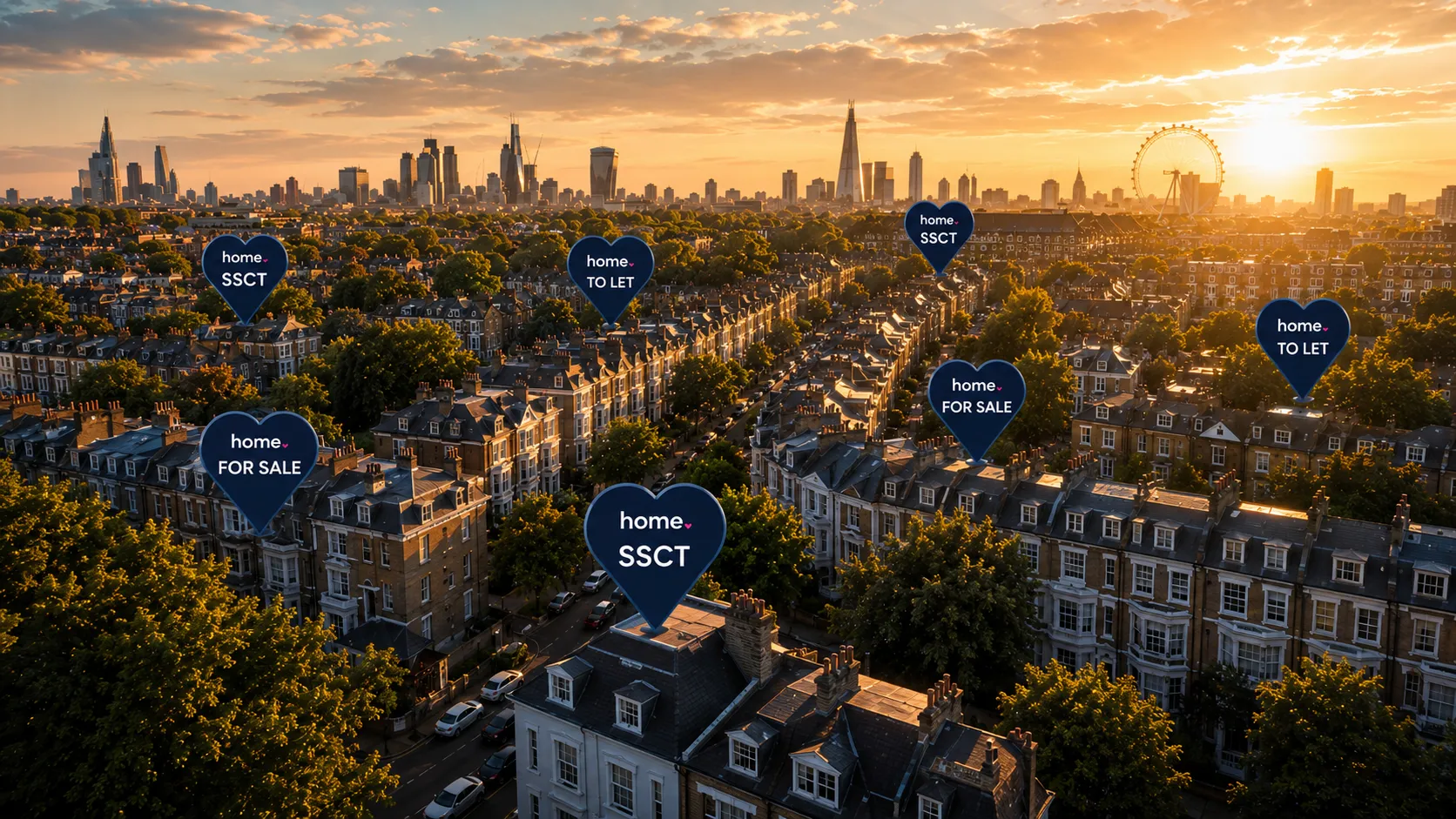
From riverside apartments to country cottages, search hundreds of thousands of properties for sale, to rent, and recently sold, all enriched with three decades of market data.
Browse 145 rental homes to rent in Newcastle, North East from local letting agents.
£1,100/m
374
10
74
Source: home.co.uk
Source: home.co.uk
Flat
134 listings
Avg £1,078
Apartment
96 listings
Avg £1,203
Semi-Detached
34 listings
Avg £1,172
Terraced
23 listings
Avg £1,733
Maisonette
21 listings
Avg £1,972
Ground Flat
10 listings
Avg £1,154
Detached
9 listings
Avg £1,785
House
9 listings
Avg £1,547
House Share
8 listings
Avg £660
flat
7 listings
Avg £906
Source: home.co.uk
Source: home.co.uk
Over the last decade, Newcastle’s rental market has moved up quickly, driven by students, young professionals and families who want city life without South East pricing. Around Central Station and the Quayside, much of the centre is now made up of purpose-built student blocks and newer apartment schemes. Even so, rents remain relatively grounded. In Ouseburn, Shieldfield and the city centre, one-bedroom flats usually land between £650 and £950 a month, while two-bedroom homes commonly sit from £900 to £1,300. That still leaves Newcastle below comparable cities in the South East.
Head out to the suburbs and the numbers often soften, especially where families want more space. In Gosforth, Kenton and Walker, three-bedroom terraced houses are often advertised from £950 to £1,400 per month. On stronger streets, semi-detached and detached family homes can reach £1,500 to £2,200, depending on condition and the exact spot. Our figures also show demand holds up throughout the year. Student homes tend to move fastest from summer into early autumn, while family lets usually gather pace in spring and summer as school terms change.
Not every part of Newcastle rents in the same way. Jesmond and Sandyford lean heavily towards students and young professionals, so HMOs and shared houses are a routine part of the market. Families often look instead at Gosforth, Kenton and the wider suburbs, where larger houses with gardens are more common. Ouseburn sits slightly apart. It has become a clear choice for creative professionals and couples who want the arts-led setting and a short trip into the city centre. That difference matters, because rent is only one part of choosing the right area.

Newcastle upon Tyne feels like a big city, but it does not come across as cold. The city centre has real momentum, with independent shops, bars and restaurants alongside familiar retail names and cultural venues. Down on the Quayside, the bridges over the River Tyne shape the evening view, and the area is well known for New Year’s Eve celebrations that bring in thousands every year. Grainger Market adds one side of local trade, and Ouseburn Farmers Market adds another, with fresh produce and artisan goods that make the place feel bigger than the university economy.
A few streets beyond the centre, the picture changes again. Jesmond attracts professionals as well as students, helped by its tree-lined roads, boutique shops and access to Newcastle University campuses. Heaton, with its mix of Victorian and Edwardian homes, often suits families who want period detail without the very highest rents. Gosforth keeps a village feel and still has good schools, plus direct Metro links into town. Then there is Ouseburn, now firmly Newcastle’s creative quarter, where converted industrial buildings house artist studios, bars and live music spaces.
Open space is easy to find in Newcastle. The Town Moor, Jesmond Dene and Exhibition Park all give residents somewhere to get outside without leaving the city. At 280 acres, the Town Moor is one of the largest urban greenspaces in Europe, and it hosts the annual Hoppings funfair. Jesmond Dene offers walking routes through the Ouseburn valley, with cafés and wildlife spots along the way. For sea air, the Metro puts Tynemouth and Whitley Bay within reach, where promenades and surf culture come at rents still far below similar coastal locations near London.

Education is a major reason many households look at Newcastle. The city has 2 major universities. Newcastle University is a Russell Group institution with a strong research standing, while Northumbria University has built its name around vocational and professional courses. Between them, they bring in thousands of students every year. That feeds straight into rental demand and into the pace of the city. For academics, postgraduates, and families who want university facilities close by, it carries real weight.
For school-age children, Newcastle and the surrounding area give parents a fair amount to look at. Cramlington Voluntary Controlled Primary School, West Monkseaton Primary School and Hotspur Primary School have all received favourable Ofsted ratings. At secondary level, St Mary’s Catholic School in Benton was rated Outstanding by Ofsted, and Dame Allan’s Schools remains the independent co-educational day school many people know for strong academic results. Parents who want grammar school education can also apply for Thomas Telford School in Middlesbrough, or for other selective schools within a sensible commuting distance.
Catchment can alter rents quickly, so families need to watch that closely in Newcastle. Around Gosforth, including Fawdon and Kingston Park, there are good primary schools and straightforward Metro access. Kenton and West Denton tend to come in cheaper, while still keeping school runs manageable. Sixth form options across the city are also solid, with schools and colleges offering A-level routes as well as vocational qualifications. Newcastle College is part of that picture, and the universities’ further education arms add more paths for students who are not taking a standard A-level route.

One reason people are comfortable living further out is simple, getting around Newcastle is fairly easy. The Tyne and Wear Metro connects the city centre with Gateshead, Wallsend, South Shields, Tynemouth and Newcastle Airport, creating a quick rail network across the North East. Services begin early and keep going well past midnight, with trains every 12 minutes at peak times on most lines. That lets renters look at cheaper suburban areas and still reach city-centre jobs, nightlife or education without much trouble.
Newcastle Central Station does a lot of the heavy lifting for longer journeys. London King’s Cross is about three hours away on a direct train, and Edinburgh is roughly an hour and a half. Durham, York and Darlington all sit on regular services in between. By road, the A1(M) runs to the west of the city and links southwards, while the A19 to the east carries traffic towards Teesside and the coast. Newcastle Airport is around 7 miles north of the city centre, with domestic flights and international links across Europe.
Cycling is more workable in Newcastle than it used to be. Better bike lanes and cycle paths, particularly along the River Tyne corridor, have helped. Secure bike storage at Metro stations and major employment sites has helped too, especially for people mixing public transport with a ride to work. In some cases it cuts monthly costs quite sharply. For city-centre workers, Heaton, Jesmond and Ouseburn are especially practical if walking or cycling can replace a daily Metro or bus fare.

We suggest starting with the available rental stock across Newcastle, then narrowing down neighbourhoods that fit your budget and day-to-day routine. Transport links, schools and local amenities matter, but so do smaller details such as parking and how each area feels in practice. It is worth checking how close a place is to your workplace before we book viewings. We also recommend comparing online property portals with local letting agent websites so you can build a clearer picture of what is actually available in your target areas.
Once a property stands out, we would get viewings arranged with estate agents or private landlords. Seeing more than one place usually helps, and it is sensible to jot down notes about condition, location and any concerns while you are there. Ask directly about lease terms, included fixtures and fittings, and any rules on pets or smoking. In Newcastle, many letting agents still work from city centre offices or high street branches, so face-to-face conversations about your requirements are often easy enough to arrange.
Before making a formal application, we would usually want a rental budget agreement in principle in place. It shows a landlord that you are serious and that your finances have already been checked at a basic level. Credit history, employment status and monthly income will normally be assessed during that process. In Newcastle, some tenants also use a mortgage in principle as evidence of financial capability, especially where the rental property is at the higher-value end.
After you have found the right property and the landlord has accepted your application, the paperwork tends to move quickly. You will usually need references, proof of identification and employment verification. Many landlords also ask for a credit check and a previous landlord reference. In Newcastle’s competitive rental market, having those documents ready in advance can save time and can improve your chances when a popular property comes up.
Before anything is signed, we always advise reading the tenancy agreement carefully. It should set out the rent amount, the payment schedule, the deposit amount and the length of the tenancy in clear terms. Your deposit must then be protected in a government-approved scheme within 30 days of receipt. In Newcastle, letting agents commonly use Deposit Protection Service, MyDeposits, or Tenancy Deposit Scheme. That is standard, but it is still worth checking the paperwork line by line.
On move-in day, the inventory check matters more than many tenants expect. We would go through the property with the landlord or letting agent and record the condition of the home and its contents in detail. Dated photographs are useful evidence from the start of the tenancy. It also makes sense to sort contents insurance and put utility accounts into your name before moving in. In Newcastle, suppliers can include npower, EDF, and British Gas, and the council tax account needs transferring as well.
Some Newcastle rental decisions come down to very local issues. Flood risk is one of them. It changes from area to area, and homes near the River Tyne and its tributaries in Ouseburn, along with other low-lying locations, need extra care. We always advise asking whether the landlord or letting agent knows about any past flooding, then checking the exact address against the government flood risk mapping service. Conservation area rules can also affect what tenants can do, particularly in Grainger Town and the Quayside, where alterations or improvements may be restricted.
A large share of Newcastle’s rental stock is made up of leasehold flats, especially in the city centre and in purpose-built blocks. That means the lease matters. We would check ground rent obligations and any service charges before moving ahead, because these costs can vary widely between developments and according to what is included. Central apartments often cost more where there are lifts, communal areas or concierge services. Before a tenancy is signed, we would ask to see recent service charge bills and any details of planned major works or possible increases.
Energy efficiency can change the monthly budget quite a bit, especially through a North East winter. A poor EPC rating often means higher heating bills, so we would always check the certificate before renting. Newcastle has many Victorian and Edwardian terraces, and while they can be attractive homes, they are often less efficient than newer stock. Double glazing, proper insulation and a heating system that works well all make a noticeable difference. In general, EPC C or above gives the best balance between older features and running costs.

Rents in Newcastle shift a lot depending on both type and location. In the city centre, one-bedroom flats typically range from £650 to £950 per month, while two-bedroom flats usually come in between £900 and £1,300 monthly. In suburban districts, three-bedroom terraced houses are available from £950 to £1,400. Larger family homes in the stronger areas can reach £1,500 to £2,200 per month. Jesmond and Sandyford, despite heavy demand, often show lower prices for comparable properties because so much of the stock is shared accommodation.
Within the city boundary, council tax is handled by Newcastle upon Tyne City Council. Most homes in Newcastle fall into bands A through D, with band A at the lower end and band D around the middle. In the current tax year, band A properties pay approximately £1,400 annually, while band D properties pay around £2,100. Students are exempt from council tax, and some low-income households may be entitled to reductions or exemptions depending on their circumstances. The exact band for a property can be checked on the Newcastle City Council website or the gov.uk valuation office website.
For family renters, area choice in Newcastle often turns on schools and a bit of outdoor space. Gosforth stays near the top of many lists because it combines a village atmosphere with strong primary schools, parks and Metro access into the city centre. Kenton and Fawdon usually offer cheaper family options while keeping school access workable. Heaton attracts households looking for period properties, and Ponteland and Darras Hall on the edge of the city provide larger detached homes at premium rents. We would also weigh up the distance to work, school catchment boundaries and how useful the Metro will be day to day.
Public transport is one of Newcastle’s stronger points. The Tyne and Wear Metro ties the city centre to surrounding towns and suburbs, and it also runs to Newcastle Airport for air travel. Newcastle Central Station adds direct national rail services to London, Edinburgh, Birmingham and other major cities. Buses fill the gaps, with Stagecoach and Go North East among the operators covering the city and nearby districts. For day-to-day planning, the Nexus app gives real-time information for Metro and bus services across the region.
Across the North East, Newcastle is often one of the more practical cities for renters. The appeal comes from a mix of affordability, employment opportunities and overall day-to-day convenience. Students, professionals and families all rent here, helped by the city’s cultural scene, established transport network and lower living costs than many southern university cities. The private rental sector is also mature, with plenty of letting agents and landlords active across the city. Average monthly rents still sit well below comparable university cities in the South of England, which is a big part of the draw.
Most Newcastle tenancies follow the standard upfront pattern. You will usually pay a security deposit equal to five weeks' rent, and it must be protected in a government-approved scheme within 30 days of the start of the tenancy. A holding deposit may also be requested, usually equivalent to one week's rent, while references are checked. Tenant referencing fees, right-to-rent checks, and inventory fees may apply, although many letting agents now charge reduced or no fees after the Tenant Fees Act 2019. Before you proceed, we would always ask for a full cost breakdown.
Newcastle has no shortage of letting agents, and the market ranges from large national chains to smaller local firms. Names you will see include Your Move, Bridgfords, and RICS-accredited firms with offices across the area. Local agents can be especially useful where neighbourhood knowledge matters, and some will know about homes that never reach the national portals. Online letting agents are active in Newcastle as well, sometimes with lower fees but usually with less in-person support. We recommend comparing a few agencies and checking tenant reviews before deciding who to use.
From 4.5% APR
Calculate your rental budget so you know which Newcastle properties are actually affordable.
From £25
Required by most landlords to verify your suitability
From £85
Document property condition to protect your deposit
From £75
Check energy efficiency ratings before you rent
Setting that budget starts with the upfront costs. The security deposit is capped at five weeks’ rent where annual rent is below £50,000, and it must be protected in a government-approved deposit protection scheme within 30 days of receipt. Landlords and letting agents also have to tell tenants which scheme is holding the money and how it can be recovered when the tenancy ends. If the deposit is not protected properly, a landlord can be ordered to pay compensation of up to three times the deposit amount.
Tenant costs are not what they once were. Since the Tenant Fees Act 2019, many agents and landlords charge reduced or no fees, and most payments beyond rent, a capped security deposit and a holding deposit are banned. Holding deposits are capped at one week’s rent, and they should either be deducted from the first month’s rent or returned if the tenancy does not proceed. Even so, we would still allow for moving costs, contents insurance at between £10 and £25 a month depending on what is covered, and any utility setup fees.
For first-time renters, the budget may need to stretch further if the property is unfurnished. Furniture and white goods can add a fair amount at the start, so putting money aside for those purchases, along with the first month’s rent and the deposit, usually makes the move less pressured. Utility setup costs can include standing charges for gas, electricity and water, plus possible connection fees for internet and TV services. Council tax is paid to Newcastle City Council and follows the home’s valuation band, usually between £1,400 and £2,100 a year for bands A to D.

Properties to Rent In London

Properties to Rent In Plymouth

Properties to Rent In Liverpool

Properties to Rent In Glasgow

Properties to Rent In Sheffield

Properties to Rent In Edinburgh

Properties to Rent In Coventry

Properties to Rent In Bradford

Properties to Rent In Manchester

Properties to Rent In Birmingham

Properties to Rent In Bristol

Properties to Rent In Oxford

Properties to Rent In Leicester

Properties to Rent In Newcastle

Properties to Rent In Leeds

Properties to Rent In Southampton

Properties to Rent In Cardiff

Properties to Rent In Nottingham

Properties to Rent In Norwich

Properties to Rent In Brighton

Properties to Rent In Derby

Properties to Rent In Portsmouth

Properties to Rent In Northampton

Properties to Rent In Milton Keynes

Properties to Rent In Bournemouth

Properties to Rent In Bolton

Properties to Rent In Swansea

Properties to Rent In Swindon

Properties to Rent In Peterborough

Properties to Rent In Wolverhampton

Enter your details to see if this property is within your budget.
Loans, cards, car finance
Estimated property budget
Borrowing + deposit
You could borrow between
Typical borrowing
Monthly repayment
Est. at 4.5%
Loan-to-value
This is an estimate only. Your actual budget may vary depending on interest rates, credit history, and personal circumstances. For an accurate affordability assessment, speak to one of our free mortgage advisors.
This calculator provides estimates for illustrative purposes only and does not constitute financial advice. Your home may be repossessed if you do not keep up repayments on your mortgage. Estimates based on 4.5% interest rate, repayment mortgage. Actual rates depend on your circumstances.
Homemove is a trading name of HM Haus Group Ltd (Company No. 13873779, registered in England & Wales). Homemove Mortgages Ltd (Company No. 15947693) is an Appointed Representative of TMG Direct Limited, trading as TMG Mortgage Network, which is authorised and regulated by the Financial Conduct Authority (FRN 786245). Homemove Mortgages Ltd is entered on the FCA Register as an Appointed Representative (FRN 1022429). You can check registrations at NewRegister or by calling 0800 111 6768.

We use cookies to show you personalised content and improve your experience of our website. Find out more in our Privacy policy and Cookie policy.