Pick the right path and we'll point you to the next step.
I'm the homeowner
Track this property, get market updates, and list it on Home when you're ready to sell or let.
I'm an estate agent
Claim your branch on Home.co.uk, list your properties for free, and reach buyers actively searching your area.

From riverside apartments to country cottages, search hundreds of thousands of properties for sale, to rent, and recently sold, all enriched with three decades of market data.
Browse 63 homes for sale in Portsmouth, England from local estate agents.
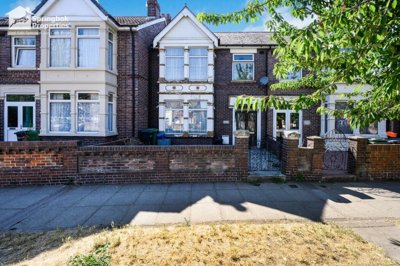
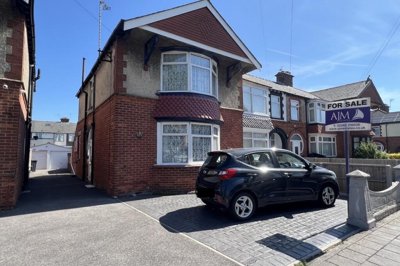
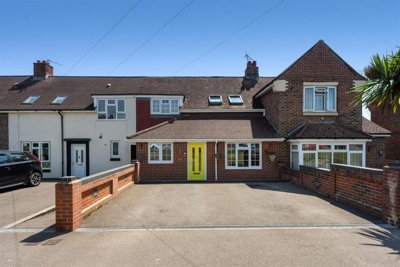
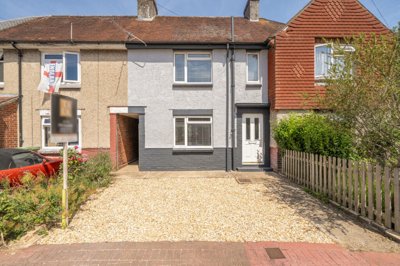
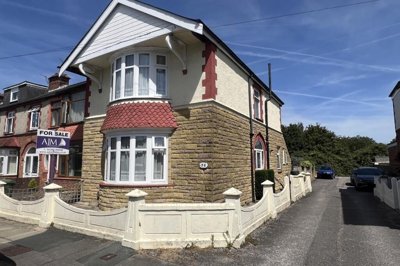
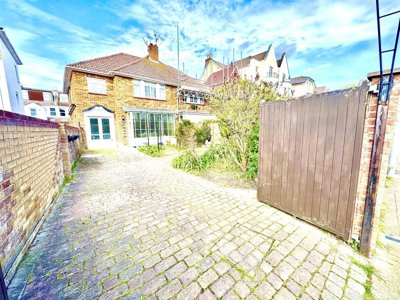
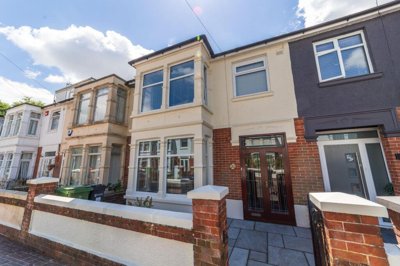
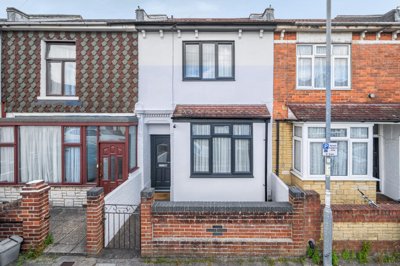
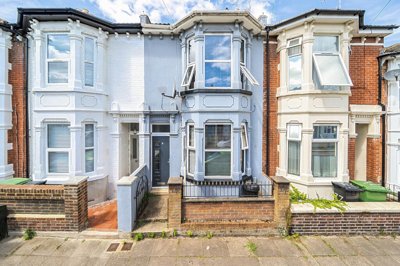
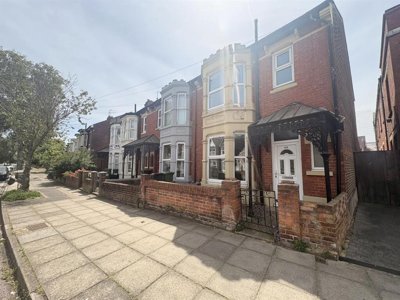
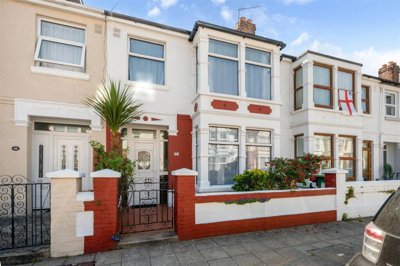
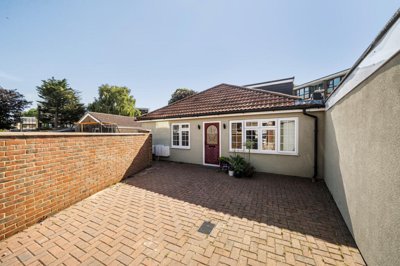
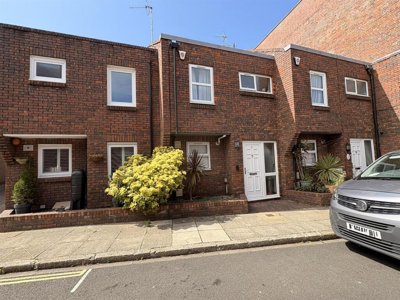
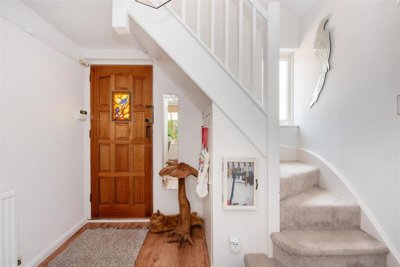
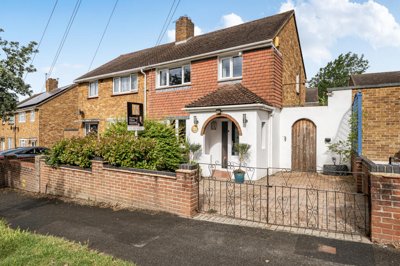
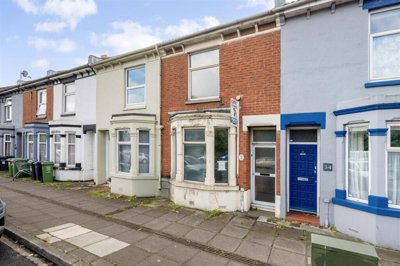
Three bedroom properties represent a significant portion of the Portsmouth housing market, offering space for families with multiple reception rooms and gardens in many cases. Browse detached, semi-detached, and terraced options ranging from period character homes to contemporary developments.
£290k
422
24
100
Source: home.co.uk
Showing 422 results for 3 Bedroom Houses for sale in Portsmouth, England. 24 new listings added this week. The median asking price is £290,000.
Source: home.co.uk
Terraced
319 listings
Avg £291,835
Semi-Detached
87 listings
Avg £374,516
Detached
16 listings
Avg £584,688
Source: home.co.uk
Source: home.co.uk
Portsmouth’s housing stock is broad, so buyers can usually find something that fits both budget and day-to-day needs. Southsea remains one of the busiest parts of the market, with Edwardian and Victorian houses, streets near Victoria Park, and a straightforward walk to Southsea Common and the beachfront. In East Cosham, Hilsea and North End, detached and semi-detached houses tend to offer the extra space many households want, while apartments in Gunwharf Quays and around the harbour are a regular choice for young professionals and investors.
Across our listings data, terraced houses in Portsmouth shift in price with the street, the condition and the exact part of the city. In Southsea, along the Albert Road corridor, two-bedroom homes often attract plenty of attention, helped by the run of period properties and the nearby day-to-day shops. Head a bit further out and the tone changes. Streets are often quieter, plots can be bigger, and the setting feels more suburban. In the city centre, flats usually come in at lower entry prices, which can suit buyers who care more about location than square footage.
Fresh schemes are still coming forward in Portsmouth, most noticeably near the waterfront, where buyers often look for modern specifications and energy-efficient design. Tipner, north of the city centre, has been tied to major regeneration proposals for some time, and smaller infill developments keep appearing within established residential roads as well. Taken together with seafront improvements and ongoing work in the city centre, that points to continued demand from owner-occupiers and landlords.

Portsmouth’s maritime past is not tucked away in museums, it still shapes the place. At Portsmouth Historic Dockyard, visitors find HMS Victory, HMS Warrior and the National Museum of the Royal Navy, all central to the city’s identity. Close by, Gunwharf Quays brings restaurants, a cinema and outlet stores facing the harbour. Then there is the Spinnaker Tower, still the obvious marker on the skyline, with wide views across the Solent to the Isle of Wight when the weather is clear.
Set across Portsea Island, Portsmouth is both a working city and a seaside one. Southsea carries much of that coastal character, with the promenade, pleasure gardens and Blue Flag beaches drawing people in through the year. The stretch from South Parade Pier to Clarence Esplanade rarely feels empty, summer is busiest, but plenty of residents are out there for a morning walk in colder weather too. For open land, Milton Common sits to the east, Farlington Marshes has its lakeside paths, and the Portsmouth Seafront cycle path runs on for several miles without a break.
A mixed population gives Portsmouth much of its rhythm. Naval personnel live alongside long-standing residents, university students and young professionals, and the University of Portsmouth shifts the pace around Winston Churchill Avenue and the student accommodation blocks in the city centre. Day-to-day shopping is covered by major supermarkets across Portsmouth, Commercial Road keeps its street market, and Albert Road and Palmerston Road still matter for smaller shops. The café scene has expanded as the student and professional population has grown.

Anyone comparing Portsmouth schools has a fair bit to weigh up. On the primary side, Cumberland Infant School in Eastney, Flying Bull Primary Academy near the naval base and St Mary’s Catholic Primary School in Southsea are all regarded well for pupil development and pastoral care. Even so, we would still check catchment boundaries and current performance data closely, because admission rules can change what is realistic for a given address. Several primary schools across the city have also received good or outstanding Ofsted ratings in recent years, which goes some way to explaining the pressure on places.
For secondary education, Portsmouth covers both comprehensive and selective options. Trafalgar School in Anson Road serves North End and has a strong academic record, while St Edmund’s Catholic School in London Road provides faith-based education for pupils from across the city. Mayfield School in Maynard Road runs a broader curriculum and holds specialist status in certain subjects. Portsmouth Grammar School takes eligible students through the 11-plus examination process. Beyond that stage, Portsmouth College and Highbury College offer vocational and academic courses, and the University of Portsmouth brings in undergraduates and postgraduates from across the UK.
The University of Portsmouth has a direct effect on the housing market. Streets near Winston Churchill Avenue and the city centre include dense pockets of student rentals, and that supports everything from student lets to homes bought by graduates staying on. For landlords, that can open a route in. For buyers who want a settled family street, the turnover on some roads is worth thinking about first. School standards are not uniform either, so we would look at the individual Ofsted reports for the exact area rather than relying on a city-wide average.

Getting in and out of Portsmouth is fairly straightforward by rail. Portsmouth Harbour station has direct services to London Waterloo, with journey times of about 90 minutes and trains running from early morning to late evening. It also sits beside Gunwharf Quays and within walking distance of the Historic Dockyard, so it is practical for visitors as well as regular commuters. Closer to the middle of the city, Portsmouth and Southsea station adds more routes, including services to Brighton, Southampton and Cardiff.
By road, the city connects through the M275, which feeds into the wider motorway network and carries much of the freight traffic going to the port. Drivers can also reach the M27 for Southampton, Winchester and beyond, while the A3 runs up to Petersfield and continues towards London. The weak point is usually timing. Peak-hour congestion can build on routes into the city centre and on the bridges linking Portsea Island with the mainland, so anyone planning a car commute should test how those busy periods line up with working hours.
Longer journeys are covered in a few different ways. Southampton Airport is reachable within 30 minutes by car or by rail connections, and it handles domestic and European flights with carriers including easyJet and Ryanair. Portsmouth International Port adds ferry routes to France, Spain and the Channel Islands, which means residents do not always need another port for European breaks. Around Portsmouth itself, First South and other operators run local bus services across the main districts, and seafront cycle routes plus dedicated paths give many people a lower-car commute. Parking is less uniform, especially in central permit zones, so we would factor that in early during any search.

Before we book viewings in Portsmouth, we usually suggest getting a mortgage agreement in principle from a lender. It shows estate agents and sellers that finance is already in place and that the buyer is proceeding seriously. We would also speak to a mortgage broker who knows the Portsmouth market, because local knowledge can help when matching products to both circumstances and the property types common in the city.
Area choice matters more than many buyers expect. We would compare commute times to London or Southampton, check school catchment areas where children are involved, look at nearby shops and services, and be clear about the sort of property that actually suits daily life. It also helps to spend time in the same area at different points in the day. Morning can feel very different from evening.
It often pays to get ahead of the public portals. Registering with local estate agents in Portsmouth can mean hearing about new listings before they appear more widely, which matters when stock in places such as Southsea moves quickly. We would usually sign up with more than one agent as well, simply to see the widest spread of properties across different agency books.
Once a property stands out, the next step is the viewing, then a RICS Level 2 survey before matters move too far. In older Portsmouth homes, surveys regularly flag original windows, ageing roof coverings and damp in solid-walled construction. Those details matter. We would build possible repair costs into the sums early, rather than treating them as an afterthought.
For the legal side, we would use a solicitor with Portsmouth experience. That covers the conveyancing, searches and contract negotiations, but local familiarity also helps with issues that turn up repeatedly here, including flood risk checks for waterfront homes, conservation area controls in Old Portsmouth, and the lease terms often found in the city’s apartment schemes.
After that, it is a matter of finalising the mortgage, completing the legal steps and lining up the move itself. The solicitor handles key release and the transfer of ownership. We would plan the move carefully, especially when coming in from outside Portsmouth, because removal firms that already know the road layout and parking restrictions can make the day far easier.
Older Portsmouth houses can be rewarding, but they need a close look. In Southsea especially, many established roads are lined with Victorian or Edwardian homes, and while they often retain strong build quality and plenty of original detail, some features are now at the age where work is due. Roofs, old windows, damp and any hint of structural movement all need proper attention. A RICS Level 2 survey can spot much of this before a buyer is too committed.
Flood risk is another point we would never skip, especially near the waterfront and across lower-lying parts of Portsmouth. In some places the city sits close to sea level, and the Environment Agency flood maps show that risk is not the same everywhere. Those maps are worth checking alongside any resilience work already installed, such as property-level flood guards or raised electrical fittings. Insurance premiums can also rise in higher-risk spots, so that cost should sit in the budget from the start.
Planning constraints can catch buyers out in Portsmouth. Some areas sit within conservation area controls, which may restrict permitted development rights, so we would confirm that position before committing to a purchase. Old Portsmouth, including High Street and St George’s Road, is one example, with limits on certain alterations and extensions. For flats, the lease needs careful reading, especially the unexpired term, ground rent clauses and service charge figures, because each one affects ongoing cost and future saleability. Portsmouth has also had cladding-related issues since Grenfell, so we would ask directly about external wall systems and any remediation work already completed or still planned.

Prices in Portsmouth vary a lot by area and by property type. Terraced houses commonly sit between £150,000 and £300,000, with condition and location doing much of the work, and two-bedroom homes in Southsea often pushing towards the top of that bracket. Semi-detached houses are often between £250,000 and £400,000, particularly in Cosham and Wymering where gardens and garage space add to the price. Flats begin from around £100,000 for studio and one-bedroom homes in less central spots, then rise to £200,000 or more for waterfront apartments with harbour views in Gunwharf Quays or along Southsea seafront. The overall Portsmouth picture reflects that spread, and there are still more affordable choices here than in London and many other parts of the Southeast.
Portsmouth City Council applies council tax bands across the city, from A to H. In practice, a large share of Portsmouth homes falls within bands A to D, with A generally covering the lowest-valued properties and D sitting more in the mid-range. The precise band comes down to valuation, so we would check directly with Portsmouth City Council or use the Valuation Office Agency records online before exchange. Those charges support council services such as waste collection, road maintenance, libraries and wider community services.
School research in Portsmouth is best done at address level, not by relying on an old reputation. Across the primary sector, Cumberland Infant School in Eastney and Flying Bull Primary Academy near the naval base both received good Ofsted ratings in recent inspections. At secondary level, St Edmund's Catholic School in London Road and Trafalgar School in Anson Road are established options within the city. Portsmouth Grammar School remains the selective route for eligible pupils through the 11-plus examination. We would still verify the latest Ofsted position and the current catchment rules, because both can shift and both affect eligibility.
Public transport is a strong point for Portsmouth. Portsmouth Harbour station runs direct trains to London Waterloo in about 90 minutes, with South Western Railway operating services through the day. Portsmouth and Southsea station adds links to Brighton, Southampton and other regional destinations, and Fratton station is another stop on South Western Railway services for the east side of the city. First South and other operators run buses across Portsmouth and nearby towns, including direct routes to Southampton and Gosport. For air travel, Southampton Airport is within 30 minutes by car and provides domestic and international options.
As an investment location, Portsmouth has a few obvious drivers, though results still come down to the buyer, the postcode and the timing. The University of Portsmouth supports regular rental demand from students and young professionals, especially in the city centre and on streets within walking distance of the campus. The naval base and the wider defence industry also matter, providing stable employment and supporting demand from serving personnel and defence workers. Prices are still lower than in many comparable coastal cities, which can improve the numbers for buyers chasing rental yield. We would still check yields postcode by postcode, allow for void periods and look closely at local demand before any purchase.
Stamp Duty Land Tax for standard purchases in England starts at 0% on the first £250,000. It then rises to 5% on the portion from £250,001 to £925,000, 10% on the portion up to £1.5 million, and 12% on any amount above £1.5 million. Buyers using first-time buyer relief on purchases up to £625,000 pay 0% on the first £425,000 and 5% on the remaining amount up to that threshold. Above £625,000, that relief no longer applies. We would calculate the SDLT bill before an offer goes in, because it is a major cost line in the budget.
Different parts of Portsmouth suit different priorities. Southsea is the obvious place for period housing and seafront access, and prices there reflect how many buyers want that setting. North End usually gives a lower entry point, with practical access to the city centre and rail routes. Cosham has a more suburban feel, often with larger houses and gardens, while Farlington and Drayton are quieter residential choices that also bring school considerations into the picture. For buyers focused on modern homes, Gunwharf Quays and the wider waterfront are often the areas they start with.
From 3.5%
Compare mortgage deals from lenders across Portsmouth
From £499
Experienced solicitors for your Portsmouth property purchase
From £350
Comprehensive survey for Portsmouth properties
From £60
Energy performance certificate for your new home
Looking at a Portsmouth purchase means budgeting for more than the asking price. Stamp Duty Land Tax is one of the bigger extras, and with the threshold set at £250,000, many Portsmouth homes will incur some SDLT. Relief for first-time buyers applies on purchases up to £625,000 and can reduce the bill by thousands against standard rates, so we would check eligibility before fixing the budget. On higher-value homes, the progressive SDLT bands can add tens of thousands of pounds.
There are other costs as well, and they add up quickly. Solicitors’ conveyancing fees are often between £500 and £1,500, depending on the value of the property and how straightforward the deal is. In Portsmouth, local firms will usually order searches covering local authority matters, drainage and water, plus environmental points such as contamination or flood risk. A RICS Level 2 homebuyer report generally starts at around £350 for a standard Portsmouth property, although larger or less simple homes can cost more. Mortgage arrangement fees can add another £1,000 to £2,000 depending on the lender and the product, though some mortgages carry no fee and may suit buyers putting down smaller deposits.
Moving costs depend on distance and volume, and mortgage valuation fees are usually charged separately from any survey we arrange. Where a property needs renovation or updating, which is common in older Victorian and Edwardian houses in areas such as Southsea, that spending should be included from the outset rather than left for later. Our related services section above gives access to competitive quotes for mortgages, conveyancing and surveys, so buyers can get a firmer handle on the numbers before the right Portsmouth property appears.

Properties for Sale In London

Properties for Sale In Plymouth

Properties for Sale In Liverpool

Properties for Sale In Glasgow

Properties for Sale In Sheffield

Properties for Sale In Edinburgh

Properties for Sale In Coventry

Properties for Sale In Bradford

Properties for Sale In Manchester

Properties for Sale In Birmingham

Properties for Sale In Bristol

Properties for Sale In Oxford

Properties for Sale In Leicester

Properties for Sale In Newcastle

Properties for Sale In Leeds

Properties for Sale In Southampton

Properties for Sale In Cardiff

Properties for Sale In Nottingham

Properties for Sale In Norwich

Properties for Sale In Brighton

Properties for Sale In Derby

Properties for Sale In Portsmouth

Properties for Sale In Northampton

Properties for Sale In Milton Keynes

Properties for Sale In Bournemouth

Properties for Sale In Bolton

Properties for Sale In Swansea

Properties for Sale In Swindon

Properties for Sale In Peterborough

Properties for Sale In Wolverhampton

Enter your details to see if this property is within your budget.
Loans, cards, car finance
Estimated property budget
Borrowing + deposit
You could borrow between
Typical borrowing
Monthly repayment
Est. at 4.5%
Loan-to-value
This is an estimate only. Your actual budget may vary depending on interest rates, credit history, and personal circumstances. For an accurate affordability assessment, speak to one of our free mortgage advisors.
This calculator provides estimates for illustrative purposes only and does not constitute financial advice. Your home may be repossessed if you do not keep up repayments on your mortgage. Estimates based on 4.5% interest rate, repayment mortgage. Actual rates depend on your circumstances.
Homemove is a trading name of HM Haus Group Ltd (Company No. 13873779, registered in England & Wales). Homemove Mortgages Ltd (Company No. 15947693) is an Appointed Representative of TMG Direct Limited, trading as TMG Mortgage Network, which is authorised and regulated by the Financial Conduct Authority (FRN 786245). Homemove Mortgages Ltd is entered on the FCA Register as an Appointed Representative (FRN 1022429). You can check registrations at NewRegister or by calling 0800 111 6768.

We use cookies to show you personalised content and improve your experience of our website. Find out more in our Privacy policy and Cookie policy.