Pick the right path and we'll point you to the next step.
I'm the homeowner
Track this property, get market updates, and list it on Home when you're ready to sell or let.
I'm an estate agent
Claim your branch on Home.co.uk, list your properties for free, and reach buyers actively searching your area.
From riverside apartments to country cottages, search hundreds of thousands of properties for sale, to rent, and recently sold, all enriched with three decades of market data.
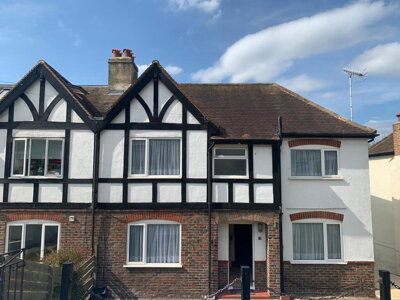
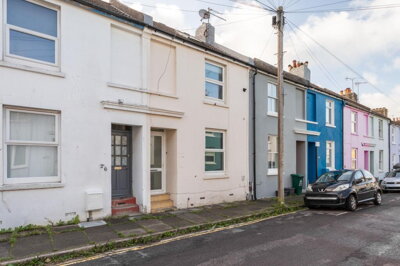
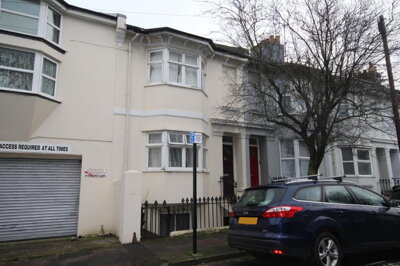
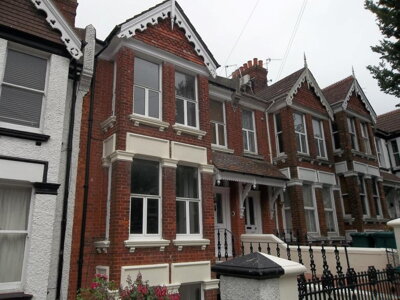
Browse 13 rental homes to rent in Brighton and Hove, England from local letting agents.
The Brighton And Hove property market offers detached, semi-detached, and terraced houses spanning various price ranges and neighbourhoods. Each listing includes detailed property information, photographs, and direct contact with the marketing agent.
£2,200/m
107
1
118
Source: home.co.uk
Showing 107 results for Houses to rent in Brighton and Hove, England. 1 new listing added this week. The median asking price is £2,200/month.
Source: home.co.uk
Terraced
75 listings
Avg £2,306
Semi-Detached
24 listings
Avg £1,991
Detached
8 listings
Avg £3,431
Source: home.co.uk
Source: home.co.uk
Brighton and Hove’s rental market reflects its place on the south coast, with an unusually city-like stock mix for the region. Flats account for 44.3% of homes currently available, terraced properties 26.6%, and semi-detached houses 10.4%. That shape of market suits people who want to stay close to restaurants, cultural spots and day-to-day essentials on foot. Detached homes make up only 2.2%, while other property types sit at 15.8%, so there is still some scope for families or renters looking for extra space. By size, 2-bedroom properties lead at 32.7%. 1-bedroom flats make up 29.6%, studios 12.8%, 3-bedroom homes 18.9%, and 4-bedroom-plus properties 5.7%. Median rents are around £1,795 per month, keeping Brighton and Hove below central London while still giving renters strong rail links into the capital.

On England’s south coast, Brighton and Hove sits between the sea and the South Downs, which gives the city its particular shape and outlook. Beachy Head’s white chalk cliffs can be seen to the east, and the wider landscape is formed by Wealden Group geology. The neighbourhoods change quickly from one to the next. The Lanes is made up of narrow streets with vintage boutiques, antique shops and independent cafes. Kemptown is known for its LGBTQ+ community, brightly painted houses and its seafront position. Further west, Hove feels more domestic, with tree-lined avenues, period architecture and straightforward access to the beach.
Seven Dials has a smaller-scale high street feel, with artisan shops at its centre, while Preston tends to suit family renters because of its streets and school access. Further east, Rottingdean and Saltdean often come in at lower rental levels and still give direct sea access. Then there is the city’s cultural side. The Royal Pavilion stands out for its Indo-Saracenic architecture, the Brighton Palace Pier and British Airways i360 frame the seafront, and the Brighton Museum and Art Gallery holds collections of national importance. Theatre Royal Brighton brings in West End productions. Across the city centre, galleries, performance spaces and music venues are packed in close. Food matters here too, from seafood near the marina to plant-based cooking that has helped Brighton build its name as one of the UK’s most vegetarian and vegan-friendly cities.

Schools and universities shape a large part of the rental picture in Brighton and Hove. Families look closely at them, and so do students. The city has two large universities, the University of Brighton, whose campuses are spread across Brighton and Hove, and the University of Sussex, just north in Falmer. For younger pupils, the local authority runs an extensive group of primary and secondary schools. St Luke’s Primary School, Hertford Junior School and Stanford Junior School all have Outstanding Ofsted ratings. Middle Street Primary School and Westdene Primary School are rated Good. Catchment boundaries shift from one area to another, so we always suggest checking eligibility before committing to a rental.
Secondary provision is broad as well. Longhill High School, Dorothy Stringer School and Varndean School each offer comprehensive secondary education, and Varndean includes a sixth form. For post-16 study, Brighton College provides an independent route with sixth form facilities, King’s School is another independent option, and Brighton Hove & Sussex Sixth Form College offers 32 A-level subjects. That range matters if a household is planning ahead for university entry in different subjects. Catchment lines can be tight around the better-known schools, so families renting in Brighton and Hove usually need to factor that in early.
The student population has a direct effect on letting patterns across Brighton and Hove. Homes near the University of Brighton campuses, and on the main bus routes to Falmer, are often in strongest demand from students and can suit multiple occupancy. Patcham, Withdean and Westdene tend to pull the market the other way, with quieter roads, larger gardens and easier access to schools. One city, different rental pressures.

For a coastal city, Brighton and Hove has unusually strong links beyond Sussex. Direct trains make London commuting workable for many renters. From Brighton station, London Victoria is about one hour away, with regular services through the day. London Bridge is around one hour and twenty minutes, which gives commuters another route into the capital. Gatwick Airport sits on the same network and can be reached within 30 minutes. For people working in tech or the creative industries, that makes Brighton a realistic base while keeping London’s jobs market in reach.
Getting across the city is fairly simple. Brighton and Hove Bus and Coach Company runs services through every neighbourhood, and many continue into the evening. Much of the urban area is flat, so cycling is common, helped by cycle lanes across the city. By road, the A23 gives a direct route to London and the motorway network. The A27 runs east to west along the south coast towards Portsmouth and Southampton. In central streets, parking permits are required in many locations, so we always advise checking the rules for the exact area. In the centre, a lot of everyday errands can be done without a car, which may help keep costs lower.
Cycling has become more practical in Brighton and Hove over the past few years. Protected lanes now run along the seafront, and those feed into key parts of the city. For shorter journeys to work, university or the shops, a bike is often a realistic choice.

Renting in Brighton and Hove comes with a few local specifics that are worth knowing at the outset. Brighton includes several conservation areas, especially around the Regency buildings of Kemp Town and the Victorian and Edwardian terraces in Hanover and Queen’s Park. Those protections can restrict what changes are allowed, so any plans should be raised with the landlord before a tenancy agreement is signed. Another common point is the housing stock itself. Many Brighton homes are converted flats rather than purpose-built apartments, which can leave maintenance, utility meters and outside space arranged differently from what renters might expect in newer developments.
The coastal setting also affects how properties perform. Homes near the seafront, and in lower-lying parts of Brighton and Hove, may require flood risk assessments that a mortgage lender or contents insurer will ask for. Much of the area sits on chalk geology connected to the South Downs. That usually drains well, but it can still affect basement conversions and other below-ground spaces. Aspect matters as well. South-facing rooms often command a premium in Brighton because of the light and sea views. Service charges in flats can vary sharply from one development to another, so we always recommend checking exactly what is covered before agreeing a rental.
Seafront homes, and eastern parts such as Kemptown, take more of the coastal weather than inland streets do. Salt air and wind can mean outside paintwork and window frames need attention more often. During viewings in these areas, we would ask about maintenance history and whether the same issues have come up before.

Before starting a property search in Brighton and Hove, it helps to arrange a rental budget agreement in principle so you know exactly what rent you can afford. Letting agents and lenders will usually want to see it. Having that paperwork ready also shows that we are dealing with a serious application in a market where strong properties can attract multiple applicants.
Each part of Brighton and Hove has its own rhythm. The Lanes centres on character and culture. Hove is calmer and has excellent schools. Kemptown has a strong local identity. Rottingdean and Saltdean can offer lower-priced options with direct sea access. We usually advise spending time in each neighbourhood before deciding, because the right fit often comes down to the shape of a normal week rather than a single viewing.
Once the shortlist is clearer, we can arrange viewings through Homemove and with the listed estate agents. At each appointment, we would look closely at the condition of the property, ask about utility costs, check for signs of damp or unresolved maintenance issues, and confirm the lease terms. It can also be sensible to arrange a professional inventory check before move-in, particularly if deposit protection is a concern.
The tenancy agreement sets out the key terms of the let, including the length of the tenancy, the deposit amount, notice periods and any restrictions. In Brighton and Hove, deposits are usually capped at five weeks' rent under the Tenant Fees Act. We always recommend reading the detail on maintenance duties, utility payments and any permissions needed before making alterations to the property.
After an application is accepted, tenant referencing follows. That checks identity, employment and rental history. Once referencing is complete and the deposit has been protected in a government-approved scheme, the keys can be released and the move can go ahead. Council tax then needs to be set up with Brighton and Hove City Council, and utilities should be transferred into the tenant’s name. Our team can guide the process at each stage so the move into a new Brighton and Hove home feels more straightforward.
The average rent in Brighton and Hove is currently £1,995 per month, while the median sits at £1,795 per month. The spread is wide. Studios come in at approximately £595 per month, and 4-bedroom properties can reach £6,000 per month. 2-bedroom homes make up the biggest share of current rentals at 32.7%, so they sit in the part of the market many couples or small families end up focusing on. Brighton and Hove is not a cheap city, but those homes often strike the balance between space and cost while keeping London within reach by rail.
In Brighton and Hove, council tax bands run from A to H depending on the property’s type and value. Brighton and Hove City Council sets the rates each year, and the band for a specific address can be checked through the Valuation Office Agency. Central Brighton flats, or those on the seafront, often fall within bands A to D. Larger Victorian terraces and family houses in places such as Hove or Patcham are often in higher bands. When we help people budget for a rental, council tax is one of the first extras we flag because it is usually paid by the tenant on top of the monthly rent.
Brighton and Hove has strong schools across several stages of education, and that affects where many renters focus their search. At primary level, St Luke's Primary, Hertford Junior School and Stanford Junior School are all rated Outstanding. For secondary education, Dorothy Stringer School and Varndean School are established comprehensives, with Varndean also offering a sixth form. Brighton Hove & Sussex Sixth Form College provides 32 A-level subjects for post-16 study. At university level, the city is served by the University of Brighton and the University of Sussex, with Sussex based just outside Brighton and Hove in Falmer. Catchment areas should always be checked before committing to a property, since admission can depend heavily on proximity.
Brighton and Hove stands out for how easily people can get in and out of the city. Brighton railway station has direct services to London Victoria in approximately one hour and to London Bridge in around one hour and twenty minutes. Gatwick Airport is under 30 minutes away by train. Within Brighton and Hove, Brighton and Hove Buses covers the neighbourhoods in detail. Drivers rely mainly on the A23 for London and the A27 for routes along the south coast towards Portsmouth and Southampton. The city has also put money into dedicated cycle lanes, which makes cycling a workable option for shorter trips across the urban area.
Brighton and Hove remains one of the UK locations renters ask us about most often, and demand is rarely weak for long. The appeal comes from the seaside setting, the cultural weight of the city, and the jobs supported by its universities, creative industries and tourism sector. Its liberal atmosphere and visible LGBTQ+ presence are also part of that picture. There are 1,034 rental properties currently available, which gives real range across price points and property types. Even so, the faster-moving areas do let quickly, so having a rental budget agreement ready before the search starts can make a difference.
Under the Tenant Fees Act 2019, deposits on rental properties in England are capped at five weeks' rent where the annual rent is less than £50,000. Using the Brighton average rent of £1,995 per month, that gives a deposit of approximately £4,600. The deposit must be placed in a government-approved scheme within 30 days of receipt. Holding deposits are usually one week's rent, and that sum is then offset against the first payment. Other permitted charges can include fees for late payment, changing the tenancy agreement, or ending the tenancy early if the contract allows for it. We would always ask for a full breakdown of any fees before committing to a property.
Getting the finances lined up early makes Brighton and Hove easier to manage. The main upfront cost is usually the security deposit, capped at five weeks’ rent under the Tenant Fees Act 2019. Based on the median Brighton rent of £1,795 per month, that comes to roughly £4,140. The money must be protected in a government-approved scheme within 30 days of payment, and tenants should be told which scheme has been used. At the end of the tenancy, the deposit is returned less any deductions for damage beyond reasonable wear and tear or for unpaid rent.
There are usually a few other costs to keep in view. First month’s rent is paid upfront, often at the same time as a holding deposit while referencing is being completed. That holding deposit is typically one week’s rent, and it is either taken off the first payment or returned if the tenancy does not proceed. Tenant referencing fees were banned under the Tenant Fees Act for most tenancies, though some agents still charge for optional extras. We always ask for a written breakdown before anything moves forward. It is also sensible to allow £500 to £1,000 for moving costs, furniture where a property is unfurnished, and connection fees for utilities and internet. Many Brighton renters also take out contents insurance, which usually costs between £10 and £25 per month depending on the level of cover needed.

Properties to Rent In London

Properties to Rent In Plymouth

Properties to Rent In Liverpool

Properties to Rent In Glasgow

Properties to Rent In Sheffield

Properties to Rent In Edinburgh

Properties to Rent In Coventry

Properties to Rent In Bradford

Properties to Rent In Manchester

Properties to Rent In Birmingham

Properties to Rent In Bristol

Properties to Rent In Oxford

Properties to Rent In Leicester

Properties to Rent In Newcastle

Properties to Rent In Leeds

Properties to Rent In Southampton

Properties to Rent In Cardiff

Properties to Rent In Nottingham

Properties to Rent In Norwich

Properties to Rent In Brighton

Properties to Rent In Derby

Properties to Rent In Portsmouth

Properties to Rent In Northampton

Properties to Rent In Milton Keynes

Properties to Rent In Bournemouth

Properties to Rent In Bolton

Properties to Rent In Swansea

Properties to Rent In Swindon

Properties to Rent In Peterborough

Properties to Rent In Wolverhampton

Enter your details to see if this property is within your budget.
Loans, cards, car finance
Estimated property budget
Borrowing + deposit
You could borrow between
Typical borrowing
Monthly repayment
Est. at 4.5%
Loan-to-value
This is an estimate only. Your actual budget may vary depending on interest rates, credit history, and personal circumstances. For an accurate affordability assessment, speak to one of our free mortgage advisors.
This calculator provides estimates for illustrative purposes only and does not constitute financial advice. Your home may be repossessed if you do not keep up repayments on your mortgage. Estimates based on 4.5% interest rate, repayment mortgage. Actual rates depend on your circumstances.
Homemove is a trading name of HM Haus Group Ltd (Company No. 13873779, registered in England & Wales). Homemove Mortgages Ltd (Company No. 15947693) is an Appointed Representative of TMG Direct Limited, trading as TMG Mortgage Network, which is authorised and regulated by the Financial Conduct Authority (FRN 786245). Homemove Mortgages Ltd is entered on the FCA Register as an Appointed Representative (FRN 1022429). You can check registrations at NewRegister or by calling 0800 111 6768.

We use cookies to show you personalised content and improve your experience of our website. Find out more in our Privacy policy and Cookie policy.