Pick the right path and we'll point you to the next step.
I'm the homeowner
Track this property, get market updates, and list it on Home when you're ready to sell or let.
I'm an estate agent
Claim your branch on Home.co.uk, list your properties for free, and reach buyers actively searching your area.

From riverside apartments to country cottages, search hundreds of thousands of properties for sale, to rent, and recently sold, all enriched with three decades of market data.
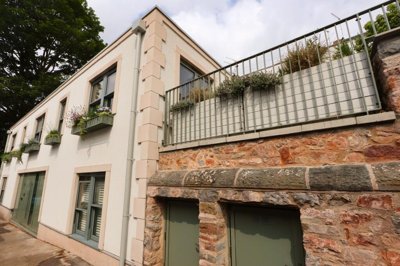
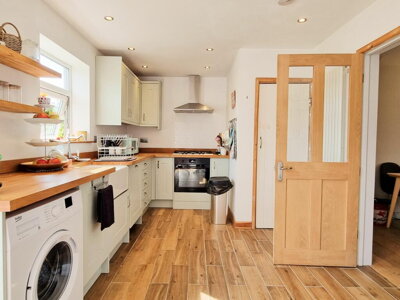
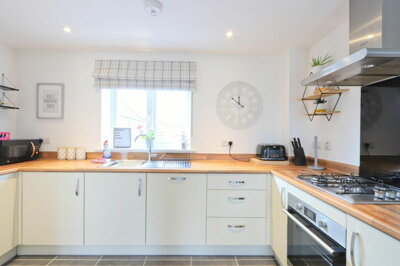
Browse 3 rental homes to rent in Bristol, West of England from local letting agents.
The 2 bed house market features detached, semi-detached, and terraced properties with two separate bedrooms plus living spaces. Properties in Bristol range from Victorian and Edwardian period homes to modern new builds, with pricing varying across different neighbourhoods.
£1,550/m
37
2
50
Source: home.co.uk
Showing 37 results for 2 Bedroom Houses to rent in Bristol, West of England. 2 new listings added this week. The median asking price is £1,550/month.
Source: home.co.uk
Terraced
30 listings
Avg £1,573
Detached
4 listings
Avg £1,663
Semi-Detached
3 listings
Avg £1,412
Source: home.co.uk
Source: home.co.uk
Getting a proper read on Bristol’s rental market makes the search far easier to ground in reality. We use market data to build a picture of rents, available property and neighbourhood patterns across the city, from Clifton to BS3. For first-time renters and people arriving from elsewhere, those figures give us a more sensible starting point when choosing where to live in Bristol.
In recent years, Bristol’s rental market has stayed firm and kept moving upward. A lot of that comes from demand tied to the city’s tech and creative sectors. In the city centre, newer apartment schemes often include high-specification fixtures, concierge services, rooftop terraces or on-site gyms, and the rent usually reflects that. Prime central addresses cost more, of course, but Bristol still compares well with similar homes in London and the South East, which keeps it in the frame for people who want city living without London-level prices.
Step out from the centre and the market shifts. Clifton, Redland and Cotham are known for Victorian and Georgian homes, and many tenants pick these areas because they want period detail near the university and the mainline stations. The average rent for a two-bedroom property in Bristol says plenty about the city’s pull as a regional centre, though it changes with distance from major employment areas and transport hubs. We also see strong tenant interest across the city, and homes in better-connected neighbourhoods tend to let fast when the pricing is right. Southville stands out here, especially around North Street, where demand has risen.

Bristol feels different from one district to the next. Around the historic harbourside, the change has been dramatic, with converted warehouses in BS3 and the Cortex development, newer flats in buildings such as The Liquid, and busy waterfront promenades in summer. Not far away, Montpelier and Stokes Croft have a very different rhythm, shaped by independent shops, alternative culture and local events. That contrast is part of what brings people in.
For many renters, South Bristol is the easier way into city life on budget. Southville, Bedminster and Totterdown have all changed a lot in recent years, with newer cafés, craft breweries and bakeries appearing beside older pubs and shops on North Street and East Street. North Bristol can work well too, particularly around Horfield, Bishopston and Gloucester Road, where Victorian terraces, good schools and access to the M5 motorway all come into play. Clifton sits at the other end of the market, with the suspension bridge, Queens Road, Whiteladies Road and long runs of Georgian architecture.
If keeping costs down is the main aim, we often look first at Easton. It gives renters a different price point from Clifton or Redland. Stoke Bishop is quieter and has access to good schools, while Barton Hill and Eastville usually sit lower on the price scale too, with workable routes into the city centre. Bristol is not one place in rental terms, so it pays to spend time in a few neighbourhoods before committing.

Schooling is a big reason some households target Bristol in the first place. Bristol Grammar School, Redmaids' High School and the Cathedral School are all well regarded at secondary level, and families across the wider region compete hard for places. Catchment can shape the whole rental search. State secondaries in Cotham, Fairfield and Henbury also have strong reputations, both for academic results and for extracurricular provision.
Primary schools matter just as much. St John's Keynsham CE Primary and Parson Street Primary School have both received consistently positive Ofsted assessments, so catchment is worth checking before we narrow down a search. Competition can be tight in neighbourhoods close to high-performing schools. Some parts of Bristol also give access to faith schools or specialist provision for children with particular educational needs. Near the University of Bristol and the University of the West of England, places such as Clifton and Redland can have a heavier student presence, which some families will want to factor into the feel of an area.

Bristol works well for commuting, both into the city and further afield. Bristol Temple Meads railway station has regular services to London Paddington, with journey times of around 90 minutes to two hours depending on stopping patterns. Bristol Parkway adds another set of direct links, including South Wales and the South Coast. The proposed Western Gateway rail improvements are meant to push that further by cutting journey times to key destinations and strengthening Bristol’s position as a commuter base.
Getting around Bristol is not just about rail. First Group and other operators run buses across the main neighbourhoods and suburbs, and the MetroBus scheme speeds up travel along key corridors between the city centre, the North Fringe, Emersons Green and South Bristol. Cycling has had serious backing too. Bristol was the first UK city to host a Cycling World Championship, and routes such as the festival way connect surrounding areas back into the centre. By road, the M5 lies to the west and north, while the M4 gives a direct route to London via Reading. In parts of Harbourside, Redcliffe and Temple Quay, many renters manage daily life without a car.

Some Bristol issues are worth checking before we line up a tenancy. Flood risk is one of them, especially near the River Avon, the Floating Harbour and other lower-lying parts of the city. We would always look at the Environment Agency flood risk maps, then ask the landlord or agent if the property or building has any flooding history. Harbourside and Bedminster can both be more exposed to surface water flooding during heavy rain, so proper insurance cover matters.
Bristol also has a large number of conservation areas, and that can affect what tenants are allowed to change. In period property around Clifton, Georgian Bristol or Totterdown, rules may cover exterior paint, satellite dishes or structural work, even if a landlord is relaxed about alterations. Another point is tenure. Many Bristol homes, especially flats, are leasehold rather than freehold, so ground rent and service charge terms can feed into the overall cost. Those charges need checking before a tenancy starts, because they vary widely between developments and can rise during the tenancy.
At viewings, we always tell people to test the basics. In older Victorian and Georgian homes, check windows and doors for draughts, especially where original single-glazed frames are still in place. Ask about the central heating too, because some older Bristol properties cost a lot to run. Damp and condensation are worth watching for, particularly in period homes without modern ventilation. Broadband matters as well, since some neighbourhoods still have patchy fibre coverage despite Bristol’s digital reputation.

Before we start chasing properties in Bristol’s fast rental market, it helps to have a rental budget agreement in principle from a lender. That shows landlords and letting agents that you can cover the monthly rent and have the deposit ready, typically five weeks' rent in Bristol. It can give an application more weight when a good flat in Redland or Clifton draws several interested tenants. We would also budget for the first month's rent in advance and any other moving costs before the search begins.
It is worth spending time in a few parts of Bristol before deciding where to focus. Commute times, nearby schools, green space and day-to-day services can matter as much as the rent itself, and the gap in feel between Stokes Croft and Bishopston is obvious once you are there. Prices shift just as much as atmosphere. We usually suggest using our neighbourhood guides and local area information first, then narrowing the search to the places that fit best.
Once we have a shortlist, we can arrange viewings through Homemove as well as the estate agents and letting agencies working across Bristol. Seeing a place in person is still best where possible. We would pay attention to the condition of the property, any maintenance issues, how existing tenants seem to be living in the building, and the general feel around the street. Photos and notes help later. In Clifton and around the Harbourside, good rentals can draw heavy viewing demand, so speed often matters.
If a property looks right, we should get the application in quickly. In Bristol, homes in places such as Southville or Redland can be agreed fast. Most applications need proof of identity, proof of income or employment, references from previous landlords and the rental budget agreement. The letting agent will usually run referencing checks, including credit searches and employment verification, before putting the application forward to the landlord. Having the paperwork ready from the start helps avoid delays.
In the passages provided, we can see the £50,000 legal threshold for deposit caps, but there are no specific rental price figures. The £50,000 cap is a current legal standard, so those passages do not need any price update. Since the request was to rewrite sentences containing £ amounts, we would simply adjust that sentence lightly while keeping the £50,000 threshold intact.
Budgeting properly matters in Bristol because the total cost can climb quickly. The security deposit is usually five weeks’ rent, and it must be protected within 30 days of receipt in a government-approved scheme such as the Deposit Protection Service, MyDeposits or the Tenancy Deposit Scheme. That protection is there so the money should come back at the end of the tenancy, less any valid deductions for damage or unpaid rent. Fees are a smaller issue than they once were, as legislation has cut back what letting agents can charge tenants.
The first month’s rent paid in advance needs to be part of the plan as well. So do removal costs, utility connection charges and internet set-up if you are moving in from elsewhere. If the property is unfurnished, buying furniture or white goods can add a fair amount. For flats, buildings insurance usually sits with the landlord, but contents insurance for personal belongings is still sensible. Having a rental budget agreement in principle before we book viewings can also help show landlords in Bristol that the finances are already in place.

Bristol’s rental stock covers a broad spread of prices, and the gap can be sharp from one area to the next. City-centre apartments usually come in above suburban homes, and two-bedroom apartments in prime locations reflect that premium. Our data shows average rents in Bristol have risen steadily as demand keeps running ahead of supply in popular neighbourhoods. For the clearest picture of current pricing, we would check our live listings across areas from the Harbourside to Bishopston.
Council tax in Bristol follows Bristol City Council's banding structure, from Band A at the lower end to Band H for the most expensive homes. The band attached to any address depends on the property's assessed value. That range covers a lot of ground, from Victorian terraces in south Bristol to Georgian townhouses in Clifton. The Valuation Office Agency website lets us check the band for a specific property, while Bristol City Council's website sets out the current rates along with any discounts or exemptions.
There is a wide school choice in Bristol, from primary level through to higher education. Bristol Grammar School and Redmaids' High School are two of the better-known secondary options and both post strong academic outcomes. At primary level, St John's Keynsham CE Primary and Parson Street Primary have received outstanding Ofsted ratings. Catchment needs careful checking because admissions often turn on proximity, and oversubscription is common. For older students, the University of Bristol and UWE are the main higher education names, with several further education colleges serving vocational routes.
Bristol’s public transport network covers more than most people expect. Bristol Temple Meads and Bristol Parkway provide regular rail services to London, Birmingham, Cardiff and the South West, while First Group runs much of the city’s bus network and MetroBus handles faster services on key corridors. Bristol Airport adds domestic and international flights. Cycling has had major investment too, and the Bristol to Bath cycle path remains one of the better-known routes for active travel and commuting.
Bristol remains one of the UK’s stronger rental markets, and the range is part of the reason. Careers, culture and access to green space all play a part, but the city is not one-note, there are student-heavy areas, family areas and places geared more towards central apartment living. Rental choice runs from lower-cost options in Easton and Barton Hill to top-end homes in Clifton and the Harbourside. Because Bristol is fairly compact, many renters in places such as Redcliffe or Temple Quay find they do not need a car for day-to-day travel.
Once an application is accepted, the next step is the tenancy agreement. We would read every term carefully, including the length of the tenancy, the rent amount and payment dates, the deposit amount and protection scheme, and any special conditions tied to the property. Before keys are released, tenants will usually need to pay the deposit, capped at five weeks' rent for properties with annual rent under £50,000, along with the first month's rent. The deposit must then be protected in a government-approved scheme within 30 days.
Get pre-approved for your rental budget to strengthen your application
From 4.5%
Essential referencing checks for landlords and letting agents
From £25
Professional survey if you're buying after renting
From £350
Energy performance certificate for rental properties
From £85
Properties to Rent In London

Properties to Rent In Plymouth

Properties to Rent In Liverpool

Properties to Rent In Glasgow

Properties to Rent In Sheffield

Properties to Rent In Edinburgh

Properties to Rent In Coventry

Properties to Rent In Bradford

Properties to Rent In Manchester

Properties to Rent In Birmingham

Properties to Rent In Bristol

Properties to Rent In Oxford

Properties to Rent In Leicester

Properties to Rent In Newcastle

Properties to Rent In Leeds

Properties to Rent In Southampton

Properties to Rent In Cardiff

Properties to Rent In Nottingham

Properties to Rent In Norwich

Properties to Rent In Brighton

Properties to Rent In Derby

Properties to Rent In Portsmouth

Properties to Rent In Northampton

Properties to Rent In Milton Keynes

Properties to Rent In Bournemouth

Properties to Rent In Bolton

Properties to Rent In Swansea

Properties to Rent In Swindon

Properties to Rent In Peterborough

Properties to Rent In Wolverhampton

Enter your details to see if this property is within your budget.
Loans, cards, car finance
Estimated property budget
Borrowing + deposit
You could borrow between
Typical borrowing
Monthly repayment
Est. at 4.5%
Loan-to-value
This is an estimate only. Your actual budget may vary depending on interest rates, credit history, and personal circumstances. For an accurate affordability assessment, speak to one of our free mortgage advisors.
This calculator provides estimates for illustrative purposes only and does not constitute financial advice. Your home may be repossessed if you do not keep up repayments on your mortgage. Estimates based on 4.5% interest rate, repayment mortgage. Actual rates depend on your circumstances.
Homemove is a trading name of HM Haus Group Ltd (Company No. 13873779, registered in England & Wales). Homemove Mortgages Ltd (Company No. 15947693) is an Appointed Representative of TMG Direct Limited, trading as TMG Mortgage Network, which is authorised and regulated by the Financial Conduct Authority (FRN 786245). Homemove Mortgages Ltd is entered on the FCA Register as an Appointed Representative (FRN 1022429). You can check registrations at NewRegister or by calling 0800 111 6768.

We use cookies to show you personalised content and improve your experience of our website. Find out more in our Privacy policy and Cookie policy.