Pick the right path and we'll point you to the next step.
I'm the homeowner
Track this property, get market updates, and list it on Home when you're ready to sell or let.
I'm an estate agent
Claim your branch on Home.co.uk, list your properties for free, and reach buyers actively searching your area.
From riverside apartments to country cottages, search hundreds of thousands of properties for sale, to rent, and recently sold, all enriched with three decades of market data.
Browse 20 rental homes to rent in Cardiff, Cymru / Wales from local letting agents.
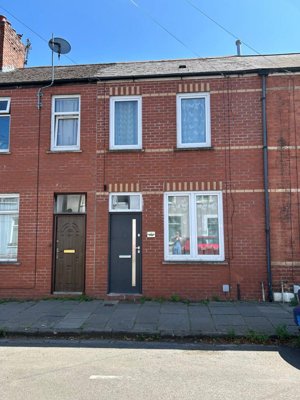
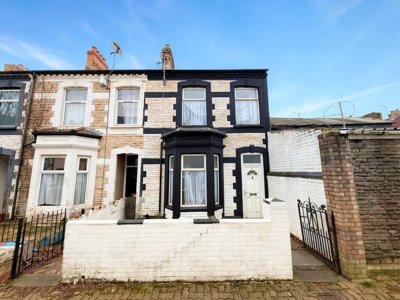
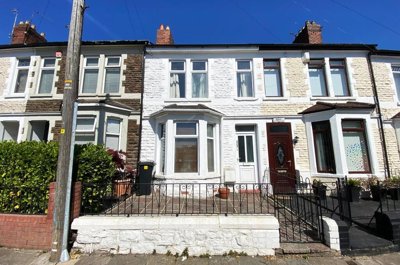
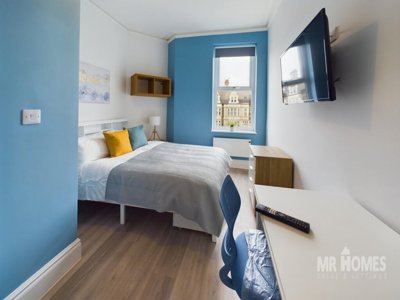
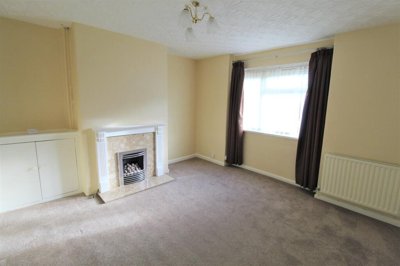
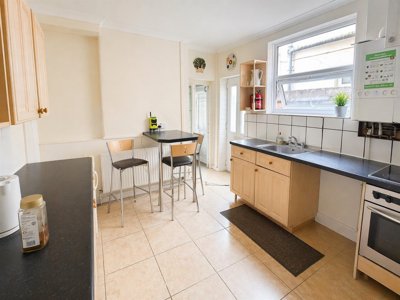
The Cardiff property market offers detached, semi-detached, and terraced houses spanning various price ranges and neighbourhoods. Each listing includes detailed property information, photographs, and direct contact with the marketing agent.
£1,400/m
51
0
68
Source: home.co.uk
Showing 51 results for Houses to rent in Cardiff, Cymru / Wales. The median asking price is £1,400/month.
Source: home.co.uk
Terraced
31 listings
Avg £1,411
Semi-Detached
13 listings
Avg £1,508
Detached
7 listings
Avg £2,085
Source: home.co.uk
Source: home.co.uk
Cardiff rental budgets can stretch in several directions. In the city centre, a one-bedroom flat is usually around £700-£950 per month, with higher-end addresses in Cardiff Bay and Pontcanna more often at £1,100-£1,300. Two-bedroom homes across the city tend to sit near £950-£1,200 a month, which is why sharers often watch that bracket closely. Terraced houses in Roath, Canton, and Grangetown start at about £900 per month, while semi-detached family homes in Llandaff, Llandaff North, and Gabalfa are generally £1,100-£1,500, depending on size and condition.
The Bay, the city centre, and the waterfront districts have changed a lot in recent years, with new schemes still altering Cardiff’s skyline. St. David's 2 helped pull more residents into the centre, and rentals near Penarth Marina still suit people who want a waterside setting. Newer blocks may include gym access or secure parking, sometimes with concierge services as well. Our listings cover major letting agents across South Wales, plus private landlords with older homes on long-established residential streets.
September is usually the tightest month. Students return, families are chasing a move before school starts, and good homes in CF10, CF11, CF14, and CF5 can gather several applications within days. CF10 covers the city centre, CF11 takes in Cardiff Bay, CF14 runs across north Cardiff including Lisvane and Cyncoed, and CF5 includes Canton and Fairwater in south Cardiff. We normally suggest instant alerts and paperwork ready to go. Most Cardiff landlords will ask for a clean credit record, steady employment, and previous landlord references.

Cardiff has a look that is hard to mistake. Victorian and Edwardian buildings still sit beside newer city centre developments, with Cardiff Castle above it all as a Norman fortress ringed by parks and gardens. Gorsedd Gardens is one of those formal spaces locals actually use, not just somewhere to pass on the way through town. At Cardiff Bay, the old docklands have been rebuilt around the waterfront, with the Welsh Millennium Centre, home to the world-famous Welsh National Opera, as the main cultural landmark.
Choosing the right part of Cardiff makes a real difference. Roath has tree-lined streets, Victorian terraces, and Crwys Road, where the local café scene gives it a more self-contained feel. Pontcanna is packed with elegant period homes and still gets attention from professionals, helped by the Friday food market at Cardiff Castle. Gabalfa and Mynachdy often price lower, with routes into the centre via the A48 and buses along Northern Way. Families tend to look closely at Lisvane, Thornhill, and Cyncoed because of the schools, local shops, and open space such as Lisvane Reservoir for walking or cycling.
About 370,000 people live in Cardiff, and the population is genuinely mixed, with students, professionals, families, and retirees all visible in day-to-day life. Costs still compare favourably with London and other major UK cities, which is one reason renters keep it on the list. Work is spread across finance, including major contact centres in Cardiff Bay, as well as the creative industries around Cardiff's studio districts. The University Hospital of Wales is the largest healthcare employer in the area, Cardiff University employs thousands of academic and administrative staff, and the Welsh Government plus Senedd Cymru support a sizeable public sector jobs base.

For families renting in Cardiff, the school question often comes before the kitchen or garden. The city has a wide primary network, with many schools holding outstanding Estyn ratings. Ysgol Glan Ceubal in the Bay area opened in 2012, serves the growing community around Dumballs Road and Lloyd George Avenue, and has strong facilities. Canton renters often ask about Lansdowne Primary School, known for strong results and a creative approach to learning. Howard Spring Primary in Llandaff, close to Llandaff Cathedral and fields, and Peter Lea Primary in Fairwater also come up often, with Peter Lea regularly performing above national averages in core subjects.
In Cardiff, one street can change a school application. Catchment boundaries move as demand changes, and schools such as Ysgol Glan Ceubal and Lansdowne Primary often have waiting lists. We always check the latest catchment maps with Cardiff Council before anyone commits to a tenancy, especially where children are close to school age. Secondary choices are strong too. Cardiff High School serves Cyncoed and Lisvane and is particularly well regarded, including for its Sixth Form, while Whitchurch High School in the north of the city has more than 2,000 students and ranks among the largest and most successful secondaries in Wales.
Other secondary options are long established. Radyr Comprehensive serves Radyr and Danescourt, where family homes often sit at higher rent levels, and St Illtyd's Catholic High School in Llanedeyrn serves Catholic families across east Cardiff. For sixth form, students might stay in school, move to Cardiff and Vale College on Dumballs Road, or choose the Welsh-medium Ysgol Gyfun Plesselia in Llanishen. Higher education adds another layer, with Cardiff University centred on Cathays and the University of South Wales at Treforest both widening study options for residents of all ages.

Road travel from Cardiff is straightforward. The M4 runs along the northern edge of the city, with Bristol around 75 minutes away, Swindon in 2 hours, and London in 3 hours. The A470 begins at Cardiff Bay, passes through the city centre, and heads north towards the Brecon Beacons National Park, so weekend trips are simple to plan. Cardiff Airport is roughly 12 miles west of the centre near Rhoose and runs flights across Europe and beyond. Some residents also use Bristol Airport via the M4, mainly for the wider flight choice and transatlantic routes.
The South Wales Metro has changed how people move around the region. The Core Valley Lines already connect Pontypridd, Treherbert, and Merthyr Tydfil with Cardiff Central in under an hour, making reverse commuting from Cardiff more realistic than it once was. From Cardiff Central, direct services to London Paddington take only 2 hours, so day commuting can work for some people in finance, law, or government. More changes are planned, including proposed Metro expansion with new stops at Cardiff Bay and elsewhere in the city.
Cardiff Bus runs most local bus routes, including the 95 to Roath and the 86 to Lisvane. Cycling has improved as well, with lanes along Corporation Road, the traffic-free Taff Trail from Cardiff Bay to Brecon, and Nextbike hire points across the city. In central Cardiff, many daily journeys can be done on foot, and renters often tell us they get by without a car. That can reduce costs. In Radyr, Danescourt, and Lisvane, though, a car is often more practical because public transport is thinner outside the main corridors.

Before viewing Cardiff rentals, pin down the monthly figure you can actually manage. Contact lenders or use online mortgage calculators to set a rental budget, then keep proof of affordability ready for agents. In a tight market, that paperwork can help. Most letting agents want evidence that income is at least 2.5-3 times the monthly rent. Some renters also speak to a mortgage broker, particularly if they can provide a decision in principle within days.
Cardiff gives renters a broad choice, from city centre apartments to family houses in places such as Lisvane. Commute times matter, especially for work around Cardiff Bay, the Cardiff Central business district, and the University Hospital of Wales. For families, school catchments can decide the search area, so current boundaries need checking before an application goes in. Pontcanna, Roath, and Lisvane can see several applications quickly, so keeping a second location in mind often helps.
Register with letting agents who know the Cardiff streets you are watching, including offices on Queen Street, Cowbridge Road East in Canton, and Albany Road in Roath. Give clear details on employment, move dates, and household circumstances. Agents remember applicants who reply quickly and send complete information. Many now work through online portals, where you can track applications and receive instant notifications.
The tenant application form needs to be accurate, especially around income and employment. Most Cardiff letting agents will ask for credit checks, employment references, and previous landlord references. Having those ready can cut out delays. Gather payslips, bank statements, and current or former landlord contact details before you apply. Some tenants use tenant referencing services too, which can speed things up considerably.
Approval is not the end of the work. Once the agent sends the tenancy agreement, read the terms carefully, including the deposit amount, capped at 5 weeks rent under Welsh law, any restrictions, and the notice periods. The Tenancy Deposit Protection scheme applies to deposits in Wales and protects the money during the tenancy. Check the inventory before signing as well, and note existing damage in writing.
At the property, arrange the inventory check with the agent or landlord. Transfer the deposit and first month's rent promptly so the Cardiff rental is secured. Collect the keys, then take meter readings for gas, electricity, and water straight away. Any existing damage shown on the inventory should be reported within 48 hours to reduce the risk of end-of-tenancy disputes. Set up rent by direct debit or standing order, and tell utility companies the move-in date.
There are Cardiff-specific checks we make before a tenancy is agreed. Flood risk is one, particularly near the River Taff and Cardiff Bay. Parts of Pontcanna and Riverside sit lower and have flooded during extreme weather. We advise checking the Natural Resources Wales flood risk maps before committing, especially for ground-floor homes or properties in Grangetown near the river. Higher districts such as Cyncoed, Lisvane, and Thornhill are usually outside the main flood risk zones, which may matter if flooding is a concern.
Cardiff housing stock changes from street to street. Victorian and Edwardian terraces can need more upkeep than modern flats, especially in Cathays, Plasnewydd, and Roath, where many homes dating from the early 1900s have long been used for student accommodation. You may still find sash windows, open fires, and solid brick walls. On viewings, our team would ask about recent roof works, double glazing, and the central heating system. In Canton and Grangetown, some Victorian terraces have been updated carefully, while others keep more original fabric and can be weaker on thermal efficiency.
Energy Performance Certificate ratings can have a real effect on monthly costs. Many older Cardiff terraces have solid walls rather than cavity insulation, and that can push heating bills higher. Where possible, we look for SAP ratings of C or above, or we factor in the likely cost of keeping the place warm. Leasehold flats can bring extra charges too. In the city centre, annual service charges of £1,500-£3,000 are not unusual for apartments, covering building insurance, maintenance, and cleaning of communal areas. Get the figures in writing before applying.
Planning rules can surprise renters in parts of Cardiff. Conservation areas in Cathays, Plasnewydd, and the city centre may limit exterior alterations, so even modest changes can need landlord approval. Satellite dishes, double glazing, and other works that seem simple elsewhere may not be straightforward there. Parking is another street-by-street issue. Near the city centre, resident permit schemes are common, and Cathays plus Plasnewydd often have tighter rules because of student density. Further out, off-street parking is much more likely to be included in the rent.

Cardiff rents move sharply by property type and location. One-bedroom apartments in the city centre average between £700-£950 per month, while two-bedroom properties typically range from £950-£1,200. Three-bedroom houses in suburban areas such as Llandaff, Lisvane, and Cyncoed command between £1,200-£1,500 per month. Cardiff Bay and Pontcanna usually sit higher because of location and property quality, with some waterfront apartments reaching £1,400 for one bedroom. Prices have increased by approximately 4-6% annually over recent years, with renters often competing for the same homes.
Cardiff Council uses council tax bands A to I, based on property valuation bands set by the Valuation Office Agency. Most one and two-bedroom apartments in the city centre and nearby Cardiff Bay fall into bands A-C, at approximately £900-£1,400 annually. Larger family homes in Radyr, Lisvane, and Thornhill typically sit in bands D-F, ranging from £1,400-£2,100 per year, while premium detached homes in places such as Danescourt can occasionally reach band G. Students are exempt from council tax, and discounts may apply for single occupants or homes where all occupants are students. Band H and I properties are rare in Cardiff, but they do exist in high-priced addresses such as parts of Cyncoed.
Education is one of the main reasons families compare Cardiff postcodes so closely, with schools inspected by Estyn. Top primary choices include Ysgol Glan Ceubal, Lansdowne Primary, and Howard Spring Primary, all rated outstanding by Estyn. At secondary level, Cardiff High School, Whitchurch High School, and Radyr Comprehensive regularly achieve strong examination results and rank among the top schools in Wales. Catholic education is available at St Illtyd's Catholic High School in Llanedeyrn. Grammar school options include Cardiff High School and Whitchurch High School, both using catchment-based admissions with geographic boundaries that change annually based on demand.
Cardiff has useful public transport connections within the city and to major UK destinations. The South Wales Metro runs regular train services to surrounding towns including Pontypridd, Barry, and Bridgend, with new stations planned for Cardiff Bay and other areas. Direct trains reach London Paddington in 2 hours and Bristol in 75 minutes, so regular travel can be practical for work or leisure. Within the city, Cardiff Bus runs routes across neighbourhoods, including the X91 service through the city centre to Cardiff Bay. The centre is very walkable, and cycling routes continue to improve, with dedicated lanes on major roads and the Taff Trail giving car-free access to Bute Park and beyond.
Cardiff is often high on renters’ lists because it combines city facilities with lower costs than London and several other major cities. The city has heritage buildings, schools with strong records, nightlife around St Mary Street and the Bay, and jobs across finance, technology, healthcare, and the creative industries. The Welsh Government gives tenants important protections, including rent stability measures and deposit protection schemes that make the rental process clearer. Roath, Canton, and the Bay each have a different feel, from the student streets around City Hall to the more family-focused suburbs of north Cardiff.
Under Welsh rental law, deposits are capped at five weeks rent for properties with annual rents below £50,000, which covers the vast majority of Cardiff rentals. The deposit must be protected in a government-approved Tenancy Deposit Protection scheme within 30 days of receipt, and the landlord must tell you which scheme holds the money. You will also need the first month's rent in advance. Some agents charge referencing fees of approximately £150-£250 for credit checks and reference collection, although many agents now waive them. Professional inventory services may cost £100-£200, and fees paid to third parties should always be clearly explained and permitted under the Tenant Fees Act 2019.
Since 2022, the Renting Homes (Wales) Act has given tenants stronger rights around keeping pets. In Cardiff, landlords generally cannot unreasonably refuse permission unless they have a valid reason set out in the contract. Some may ask for higher deposits or pet agreements to cover possible damage, but the maximum pet deposit is typically capped at one month's rent above the standard security deposit. Modern apartment blocks can have building management rules that restrict pets, regardless of the landlord’s own view, so check before applying. Many houses with gardens in Lisvane, Thornhill, and Radyr are open to responsible pet owners.
It is easier to budget for a Cardiff tenancy when the upfront costs are clear. Tenants usually need the first month's rent plus a security deposit capped at five weeks' rent, as required by Welsh law for tenancies beginning after April 2016. The deposit must be protected within 30 days in one of three government-approved schemes, and it should be returned in full at the end of the tenancy unless there are valid deductions for damage beyond normal wear and tear. The three schemes are the Deposit Protection Service, MyDeposits, and the Tenancy Deposit Scheme. Landlords must confirm which one is holding the deposit.
Moving costs can add up before the keys are handed over. Referencing often runs from £150-£250 and usually covers credit checks, employment checks, and previous landlord references. Inventories at check-in and check-out tend to cost about £100-£200 depending on property size, and they protect both sides if a later dispute arises over condition. Some landlords expect a professional clean at the end of the tenancy, commonly £150-£300 depending on the size of the home and the work needed. If you are moving from outside Cardiff, removal van costs should be included too, usually £300-£800 for a local move within the city and more from further afield.
Once the tenancy is underway, rent is only one part of the monthly spend. Most tenants pay by standing order on the agreed date, then budget separately for council tax, which can range from about £75 a month for band A to £175 for band F. Gas, electricity, water, and contents insurance at roughly £15-£30 monthly need adding as well. Internet generally costs another £25-£40, depending on the package and provider. Pets can sometimes mean an extra pet deposit, although the Tenant Fees Act limits how that can be charged, and many landlords now allow pets without adding anything. Before any Cardiff application goes in, our team would ask for a full cost breakdown and avoid fees that are not clearly explained and permitted under consumer protection legislation.

From 4.5%
Work out your monthly Cardiff rental budget with our financial guidance
From £100
Tenant referencing and credit checks for Cardiff renters
From £85
Professional property inventory to protect your deposit
From £60
Energy performance certificates for Cardiff rental properties
Properties to Rent In London

Properties to Rent In Plymouth

Properties to Rent In Liverpool

Properties to Rent In Glasgow

Properties to Rent In Sheffield

Properties to Rent In Edinburgh

Properties to Rent In Coventry

Properties to Rent In Bradford

Properties to Rent In Manchester

Properties to Rent In Birmingham

Properties to Rent In Bristol

Properties to Rent In Oxford

Properties to Rent In Leicester

Properties to Rent In Newcastle

Properties to Rent In Leeds

Properties to Rent In Southampton

Properties to Rent In Cardiff

Properties to Rent In Nottingham

Properties to Rent In Norwich

Properties to Rent In Brighton

Properties to Rent In Derby

Properties to Rent In Portsmouth

Properties to Rent In Northampton

Properties to Rent In Milton Keynes

Properties to Rent In Bournemouth

Properties to Rent In Bolton

Properties to Rent In Swansea

Properties to Rent In Swindon

Properties to Rent In Peterborough

Properties to Rent In Wolverhampton

Enter your details to see if this property is within your budget.
Loans, cards, car finance
Estimated property budget
Borrowing + deposit
You could borrow between
Typical borrowing
Monthly repayment
Est. at 4.5%
Loan-to-value
This is an estimate only. Your actual budget may vary depending on interest rates, credit history, and personal circumstances. For an accurate affordability assessment, speak to one of our free mortgage advisors.
This calculator provides estimates for illustrative purposes only and does not constitute financial advice. Your home may be repossessed if you do not keep up repayments on your mortgage. Estimates based on 4.5% interest rate, repayment mortgage. Actual rates depend on your circumstances.
Homemove is a trading name of HM Haus Group Ltd (Company No. 13873779, registered in England & Wales). Homemove Mortgages Ltd (Company No. 15947693) is an Appointed Representative of TMG Direct Limited, trading as TMG Mortgage Network, which is authorised and regulated by the Financial Conduct Authority (FRN 786245). Homemove Mortgages Ltd is entered on the FCA Register as an Appointed Representative (FRN 1022429). You can check registrations at NewRegister or by calling 0800 111 6768.

We use cookies to show you personalised content and improve your experience of our website. Find out more in our Privacy policy and Cookie policy.