Pick the right path and we'll point you to the next step.
I'm the homeowner
Track this property, get market updates, and list it on Home when you're ready to sell or let.
I'm an estate agent
Claim your branch on Home.co.uk, list your properties for free, and reach buyers actively searching your area.
From riverside apartments to country cottages, search hundreds of thousands of properties for sale, to rent, and recently sold, all enriched with three decades of market data.
Browse 21 rental homes to rent in Derby, East Midlands from local letting agents.
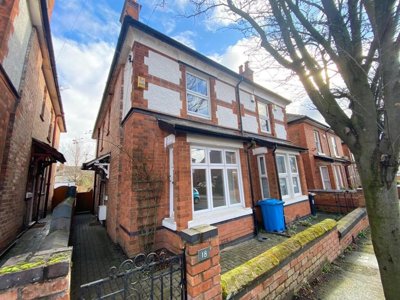
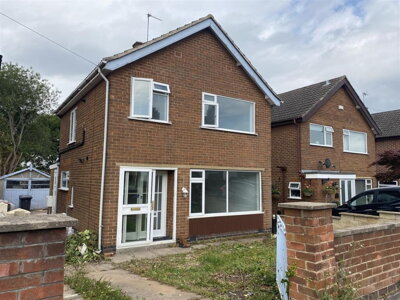
Three bedroom properties represent a significant portion of the Derby housing market, offering space for families with multiple reception rooms and gardens in many cases. Browse detached, semi-detached, and terraced options ranging from period character homes to contemporary developments.
£1,100/m
39
0
94
Source: home.co.uk
Showing 39 results for 3 Bedroom Houses to rent in Derby, East Midlands. The median asking price is £1,100/month.
Source: home.co.uk
Semi-Detached
22 listings
Avg £1,150
Terraced
10 listings
Avg £906
Detached
7 listings
Avg £1,296
Source: home.co.uk
Source: home.co.uk
In Derby, rents start at £495 per calendar month for smaller studios and reach £2,495 pcm for larger four and five-bedroom houses. That spread tells you a lot about the city, from the centre with Victorian terraces and newer flats, through to places people often focus on such as Littleover, Mickleover, and Allestree. Our figures show two-bedroom terraced homes in Derby city centre at about £695 per month, so they stay on the radar for young professionals working nearby. A wide range, in other words.
Renters in Derby have plenty of choice, from Victorian and Edwardian terraces to semi-detached houses, purpose-built flats, and newer apartments in converted warehouses. Chellaston, to the southeast of the city, is currently the busiest rental spot, helped by local schools and day-to-day family facilities. Alvaston and Little Eaton are moving up too, partly on price and partly because getting to employment areas is fairly direct. At the upper end, four-bedroom detached homes in Oakwood average around £1,550 per month, often with off-street parking and more room to spare.
Derby city centre feels different from how it did a few years ago. Cathedral Quarter and St Mary's Wharf have pushed modern apartments into parts of the city that used to be more industrial, and many of those schemes include concierge services, gym facilities, and underground parking. Friar Gate has converted warehouse homes with more character. Along Kedleston Road, you get Victorian semis mixed with newer apartments. Then there is New Zealand and the streets around the Derby Arboretum, where Edwardian houses and larger gardens still turn up close to town.
Move beyond the city boundary and the rental market changes shape. Derbyshire villages within reach of Derby, including Duffield, about three miles north of the city, bring a more rural setting while keeping rail connections in play. Borrowash and Ockbrook are often considered by families, with shops and schools that make day-to-day living straightforward. Rents there can come in a little below similar homes inside Derby itself, yet jobs and the city’s main facilities are still near enough.

Work is a big part of why people rent in Derby. The local economy leans heavily on advanced manufacturing and engineering, and Rolls-Royce remains central to that, with major aerospace operations in the city and its civil aerospace division based at Sinfin. It is one of the area’s largest private-sector employers, drawing in skilled staff from across the UK and further afield. Toyota’s engine manufacturing plant in Deeside, although technically in Wales, connects into Derby’s automotive supply chain, and other manufacturers add a lot to local employment as well.
Rail manufacturing still matters here. Bombardier Transportation, now part of Alstom, has long had a major base in Derby, and historically the site has ranked among the UK’s key rail manufacturing facilities. Engineers work there. So do production staff and support teams, with people travelling in from around Derbyshire and across the wider East Midlands. The effect spreads outwards, because smaller engineering firms, logistics operators, and service businesses all benefit from that Derby presence.
There is more to Derby’s jobs market than engineering. The University of Derby runs several campuses in the city and employs academic staff, researchers, and support workers, many of whom want rental homes nearby. NHS trusts serving Derby and Derbyshire also recruit for Royal Derby Hospital and community facilities across the region. Put together, that gives Derby renters from very different professional backgrounds a reason to base themselves here, and it helps keep demand moving across a range of neighbourhoods and price points.
Derby still wears its industrial history quite openly, but it functions as a modern city day to day. The 2021 census puts the population at approximately 257,000, which is large enough for a major urban centre without making the place feel hard to get around. Around Intu Derby shopping centre, the centre combines smaller traders with national names and plenty of places to eat or drink. The River Derwent cuts through the city too, and that changes the feel of it more than people sometimes expect.
Green space is one of Derby’s better points. The Derby Arboretum dates back to 1840 and is one of the oldest public parks in the country, while Markeaton Park adds boating lakes, cafes, and sports pitches. Culture is not tucked away either, with the Derby Museum and Art Gallery, Quad arts centre, and Derby Theatre all playing a part. After dark, Friar Gate and the Market Place carry much of the evening trade with restaurants, bars, and live music venues. Derby Farmers Market remains a regular draw as well.
Leisure spending has gone into the city too. Becketwell is now in the middle of major redevelopment, with new homes, leisure facilities, and stronger public spaces planned for a section of the centre that had been underused. The Derby Canal restoration project is also reshaping waterside stretches and opening up fresh walking and cycling routes. Then there is sport. Derby County Football Club at Pride Park keeps a high profile, and the Derbyshire County Cricket Club ground, along with golf courses and leisure centres, means there is activity through the year.
Families renting in Derby are not short of places to go. The Derby Gauntlet and the Pickfords Lane Museum can cover the educational side of a day out, while indoor play centres in nearby retail parks help when the weather closes in. The Peak District National Park is close enough for a weekend trip without much planning. City options one day, Derbyshire countryside the next.

For education, Derby covers the full span from primary places through to further study. There are community schools, academy schools, and faith schools across the city. At primary level, St. Mary's Catholic Primary and Landau Forte Academy Qtots are two names parents often come across first. Secondary applications need more care, because admissions criteria and catchment rules can make a real difference to where a child is offered a place.
Further and higher education have a solid presence in Derby. Derby College’s Roundhouse campus runs vocational courses and apprenticeships, and it also hosts university-level programmes delivered with the University of Derby. The university itself offers undergraduate and postgraduate degrees across several city campuses, which keeps demand up among students and academic staff looking for somewhere to live. Elsewhere in Derbyshire, grammar schools accessed through the 11-plus selection process give families another route to think about. Before taking a property in a particular catchment, we would always check current school ratings and admissions policies with the schools or the local authority.
Some Derby districts are talked about more than others when schools come up. Littleover and Mickleover both have a concentration of well-regarded primary schools and solid secondary provision, which helps explain why families keep returning to them. Chellaston is another area that gets attention, partly because of its schools and partly because Chellaston Academy serves secondary-age pupils from the surrounding neighbourhood. Duffield has its own pull as well, with William Gilbert primary school and a workable commute into Derby for parents employed in the city.

Commuting is one of Derby’s practical strengths. Derby railway station has regular trains to Birmingham, about 30-40 minutes away, Nottingham, roughly 15-20 minutes, Leicester, around 40 minutes, Sheffield, about 50 minutes, and London St Pancras, approximately 90 minutes via East Midlands Railway. Because the station sits close to the centre, most residential districts can reach it by bus or taxi without much fuss.
The road layout helps as well. Derby is served by the A50 and A5111 trunk roads, and the M1 lies to the east for routes towards Sheffield, Nottingham, Leicester, and the wider motorway network. The A38 dual carriageway runs through the city as the main north-south route, linking with the A61 and A52 for access across different parts of Derby. East Midlands Airport near Castle Donington, about 15 miles from Derby, handles domestic and European flights as well as cargo. Buses from several operators connect the suburbs and nearby villages with the city centre.
Inside Derby, public transport has been improving. The Smart Fox and Smart Bus routes connect major residential districts with employment zones and shopping destinations, and along the Derby Canal corridor there is ongoing work on walking and cycling links between homes and the centre. That matters in practical terms, because many people working centrally can already manage with buses or a bike rather than a car. Homes within walking distance of Derby railway station usually cost more, but for East Midlands travel and longer journeys the location is hard to top.
For work travel, East Midlands Airport is a genuine advantage. Regular flights run to European destinations, and there are links onward to major hub airports worldwide. The cargo side matters too, supporting logistics jobs and related industries across the Derby area. For renters with overseas travel in the diary, or family abroad, being this close to Castle Donington can make a real difference.

Before starting a property search in Derby, get a rental budget agreement in principle from a financial provider. Letting agents and landlords will usually want proof that the monthly rent is affordable, most often by asking for evidence of regular income worth two and a half to three times the annual rent. Having that paperwork ready speeds things up and can leave you in a stronger position if other applicants are circling the same home. Some landlords also ask for bank statements or employment contracts.
Not every part of Derby suits the same routine, so it is worth spending time in a few areas before deciding. We would weigh up distance to work, schools if children are involved, public transport, nearby services, and the type of property you actually want to live in. Chellaston is often picked out by families because of schools and everyday facilities. The city centre tends to suit people who want to be close to work and evenings out. Mickleover gives a quieter suburban setting with access to green space. Rental levels vary accordingly.
There are currently 269 rental listings in Derby on Homemove, which gives you a decent starting point. Filter by bedrooms, price, and property type first, then contact local letting agents to register interest and book viewings. In areas such as Chellaston and Pride Park, suitable homes can draw multiple applicants very quickly. Many Derby agents also run registration lists, so getting onto their books before the right property appears can help.
Viewings matter. We would always see a property in person and check condition, location, and whether it really fits day-to-day needs rather than just looking good online. Damp, heating, window security, and general repair all need attention. Ask about tenancy length, the landlord's position on pets or smoking, and whether bills or parking are included in the rent. If noise or the feel of the area matters to you, ask about neighbours and the immediate surroundings as well. Photos taken during the viewing can be useful later.
When you decide to go ahead, the next step is the letting agent's application form. You will usually need proof of identity, proof of address, employment references, and previous landlord references where available. Most agents run credit checks and ask for a holding deposit equal to one week's rent so the property can be taken off the market while references are checked. This stage often moves quickly. References can be turned around within a few days, though delays do happen if an employer or former landlord is slow to reply.
After references are approved, the tenancy agreement is signed, usually as an Assured Shorthold Tenancy for a fixed term of six or twelve months. You then pay the deposit, commonly five weeks' rent, and the first month's rent in advance. We would also ask for an inventory check if one is not already arranged, because it records the property’s condition and can protect the deposit later on. Make sure copies of the signed paperwork are provided, and read through the tenant obligations properly before the tenancy starts.
Some local issues in Derby are worth checking before you commit. Flood risk is not the same everywhere, and homes near the River Derwent and its tributaries may need closer attention on insurance. We always advise asking the letting agent or landlord about any flood history and what mitigation measures are already in place. The Environment Agency maps are useful here, especially for riverside homes near Darley Abbey or properties close to Markeaton Brook.
Older parts of Derby can come with extra restrictions. Many homes in the centre and on key historic routes sit within conservation areas or near listed buildings, which can limit changes to exterior decoration or signage. In the Cathedral Quarter, and along Friar Gate, those planning controls may affect the outside of the building in particular. Leasehold flats bring another layer, because ground rent and service charges sit above the monthly rent. In city centre apartments, service charges can range from £800 to £2,000 annually depending on the development, so get the exact figures early.
Heating costs matter in Derby, especially when winter temperatures regularly drop below freezing. Check the Energy Performance Certificate, or EPC, rating carefully, because a weaker rating can mean noticeably higher bills. Solid wall insulation or modern double glazing usually makes a place cheaper to heat and easier to live in across the year. Since April 2020, landlords have been barred from renting out properties with an EPC rating below E. Even so, a better-rated home can still save money over the course of the tenancy, so ask what recent insulation or heating work has been done.
At viewings in Derby, we pay close attention to fixtures and fittings, appliance age, and any sign that maintenance has been left too long. Water pressure and drainage should be tested. Heating should be switched on and checked properly. Windows and doors need a proper inspection for security and weatherproofing. In Victorian and Edwardian houses around New Zealand or the Arboretum area, we would also watch for subsidence, timber decay, and outdated electrics. Those details matter later.

Upfront costs need careful maths. The standard deposit is five weeks’ rent, and the legal cap applies at that level where the annual rent is under £50,000. Using the median £1,250 per month rental, that comes to about £2,884. The deposit must be protected in a government-authorised scheme, such as Deposit Protection Service, MyDeposits, or TDS, within 30 days of receipt, and prescribed information should be given to you showing which scheme holds it. If a landlord fails to do that, compensation may be available.
Budget for more than just the deposit and first month’s rent. Reference check fees are typically £50-150 per applicant, the holding deposit is usually one week’s rent and can be credited against the final balance, and inventory check fees are generally £80-200. Some Derby landlords include utilities or parking in the rent, while others do not, so pin that down before paying anything. If you are keeping a pet, a landlord may ask for a higher deposit or extra pet insurance. We would want the full breakdown in writing before the tenancy agreement is signed.
At the end of a tenancy, deposit returns are usually simpler when a proper inventory exists from the outset. Once landlord and tenant agree the final figure, the deposit should be returned within 10 days. Dated photographs from the start and finish of the tenancy can make a big difference if there is an argument over deductions. Where charges are proposed, the landlord needs evidence for each one, and unfair deductions can be challenged through the deposit protection scheme’s dispute resolution service.

Our property figures put Derby’s median monthly rent at £1,250. Across the city, listings run from £495 for studios up to £2,495 for premium four and five-bedroom homes. Two-bedroom terraced houses in the city centre average around £695 per month, while three-bedroom semi-detached homes in suburbs such as Littleover come in at approximately £1,050 per month. In Oakwood, four-bedroom detached houses are around £1,550 per month. Prices have risen 0.6% recently, which points to steady rental demand in Derby.
Derby comes under Derby City Council. Council tax bands run from A to H according to the property’s valuation, and most rental homes in the city sit within bands A to D. You can confirm the exact band through the Valuation Office Agency website using the address. As a broad guide, band A properties in Derby currently pay around £1,400 annually, while band D properties pay approximately £2,100 per year. Homes in nearby Derbyshire county areas fall under Derbyshire County Council, and banding arrangements there may differ slightly.
Schooling in Derby covers each stage. At primary level, St. Mary's Catholic Primary and Landau Forte Academy Qtots are two notable names. For secondary education, Landau Forte Academy is one to research, though current Ofsted ratings should be checked directly rather than assumed. Derby College handles further education and vocational training from its Roundhouse campus, and the University of Derby provides higher education for students and academic staff. If a move depends on school places, check current Estyn or Ofsted ratings and admissions criteria before settling on an area.
Derby railway station is a strong point for travel. Services run to Birmingham in 30-40 minutes, Nottingham in 15-20 minutes, Leicester in 40 minutes, Sheffield in 50 minutes, and London St Pancras in 90 minutes. The station is central, and local bus services connect it with surrounding suburbs and villages. East Midlands Airport lies approximately 15 miles away near Castle Donington. Cycling infrastructure is also being expanded through designated routes, which helps commuters moving between Derby and other East Midlands cities.
For many renters, Derby makes practical sense. Major employers including Rolls-Royce, Toyota, and Bombardier support work in advanced manufacturing and engineering, while the University of Derby and the NHS add substantial employment outside that sector. Rents are lower than in nearby Nottingham and Leicester, and the city still has green space, cultural venues, and a decent spread of everyday facilities. The recent 0.6% increase in prices suggests demand remains active, so waiting too long on a suitable property can be costly.
Take a property at £1,250 per month and the sums become clearer. A deposit at approximately five weeks' rent comes to around £2,884, and that money should be placed in a government-approved scheme within 30 days of the tenancy start. On top of that, you will usually pay the first month's rent in advance, and there may also be a holding deposit equal to one week's rent while references are carried out. Referencing fees and inventory check fees can add to the bill as well.
The Tenant Fees Act 2019 changed the position on pets in England, so landlords cannot impose blanket bans, though they can ask for reasonable pet-related conditions such as higher deposits or pet insurance. In Derby, pet-friendly options are more common in houses and larger homes, especially in Chellaston, Mickleover, and Allestree. City centre flats often come with tighter rules because of building management. If you are applying with a pet, offering professional cleaning at the end of the tenancy or supplying pet references can help the application land better.
Broadband is generally good across Derby city centre and the surrounding residential areas, with speeds that suit home working and streaming. Most Derby properties can access superfast broadband at 30+ Mbps through providers including BT, Virgin Media, and Sky. Newer schemes, including homes in the Becketwell regeneration zone, are more likely to benefit from full fibre. On the outskirts of Derby, or in nearby villages, options can be narrower, so we would check availability with the relevant provider before committing if reliable high-speed internet is essential.
Chellaston still ranks as one of the main rental hotspots in Derby, helped by local family facilities, good schools, and access towards the Toyota plant. The city centre draws in younger working tenants who want to stay close to Derby railway station and the evening scene. Pride Park is often chosen by people working around the stadium complex, or by renters chasing lower costs near the centre. Littleover and Mickleover also stay busy. In all of these areas, multiple applications can arrive fast, so having references and documents ready is worthwhile.
Several regeneration schemes are changing the rental picture in Derby. Becketwell is going through major redevelopment, with new residential buildings, leisure facilities, and public realm improvements altering a part of the city centre that had previously been underused. Near Derby railway station, the Castleward development is adding new homes and commercial space to an area already in transition. Those projects create fresh rental stock, but during construction they can also affect traffic, noise, and the way nearby facilities operate.
Properties to Rent In London

Properties to Rent In Plymouth

Properties to Rent In Liverpool

Properties to Rent In Glasgow

Properties to Rent In Sheffield

Properties to Rent In Edinburgh

Properties to Rent In Coventry

Properties to Rent In Bradford

Properties to Rent In Manchester

Properties to Rent In Birmingham

Properties to Rent In Bristol

Properties to Rent In Oxford

Properties to Rent In Leicester

Properties to Rent In Newcastle

Properties to Rent In Leeds

Properties to Rent In Southampton

Properties to Rent In Cardiff

Properties to Rent In Nottingham

Properties to Rent In Norwich

Properties to Rent In Brighton

Properties to Rent In Derby

Properties to Rent In Portsmouth

Properties to Rent In Northampton

Properties to Rent In Milton Keynes

Properties to Rent In Bournemouth

Properties to Rent In Bolton

Properties to Rent In Swansea

Properties to Rent In Swindon

Properties to Rent In Peterborough

Properties to Rent In Wolverhampton

Enter your details to see if this property is within your budget.
Loans, cards, car finance
Estimated property budget
Borrowing + deposit
You could borrow between
Typical borrowing
Monthly repayment
Est. at 4.5%
Loan-to-value
This is an estimate only. Your actual budget may vary depending on interest rates, credit history, and personal circumstances. For an accurate affordability assessment, speak to one of our free mortgage advisors.
This calculator provides estimates for illustrative purposes only and does not constitute financial advice. Your home may be repossessed if you do not keep up repayments on your mortgage. Estimates based on 4.5% interest rate, repayment mortgage. Actual rates depend on your circumstances.
Homemove is a trading name of HM Haus Group Ltd (Company No. 13873779, registered in England & Wales). Homemove Mortgages Ltd (Company No. 15947693) is an Appointed Representative of TMG Direct Limited, trading as TMG Mortgage Network, which is authorised and regulated by the Financial Conduct Authority (FRN 786245). Homemove Mortgages Ltd is entered on the FCA Register as an Appointed Representative (FRN 1022429). You can check registrations at NewRegister or by calling 0800 111 6768.

We use cookies to show you personalised content and improve your experience of our website. Find out more in our Privacy policy and Cookie policy.