Pick the right path and we'll point you to the next step.
I'm the homeowner
Track this property, get market updates, and list it on Home when you're ready to sell or let.
I'm an estate agent
Claim your branch on Home.co.uk, list your properties for free, and reach buyers actively searching your area.

From riverside apartments to country cottages, search hundreds of thousands of properties for sale, to rent, and recently sold, all enriched with three decades of market data.
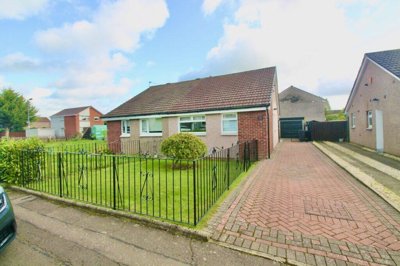
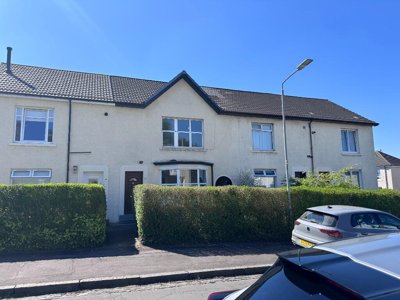
Browse 2 rental homes to rent in Glasgow, Scotland from local letting agents.
The Glasgow property market offers detached, semi-detached, and terraced houses spanning various price ranges and neighbourhoods. Each listing includes detailed property information, photographs, and direct contact with the marketing agent.
£1,195/m
15
0
55
Source: home.co.uk
Showing 15 results for Houses to rent in Glasgow, Scotland. The median asking price is £1,195/month.
Source: home.co.uk
Semi-Detached
7 listings
Avg £1,296
Terraced
6 listings
Avg £1,493
Detached
2 listings
Avg £1,373
Source: home.co.uk
Source: home.co.uk
Glasgow’s rental stock covers a lot of ground. At one end, there are Victorian sandstone tenements with high ceilings and original features, at the other, modern city centre flats in developments such as the Buchanan Galleries and St. Vincent Plaza. In the West End, a one-bedroom place in Finnieston, Hillhead, or Kelvingrove will usually rent for £800 to £1,200 a month, while comparable city centre flats tend to start at around £700. Larger two and three-bedroom tenement homes are still heavily sought too, with rents in Shawlands, Mount Florida, and Dennistoun commonly landing between £1,000 and £1,800 depending on size and condition.
Further out, the choice broadens. Semi-detached houses and bungalows in districts including Partick, Partickhill, and Anniesland often offer two to four bedrooms at about £1,200 to £2,200 per month. New build schemes have shifted part of the lettings market as well, adding concierge services, gym facilities, and secure parking in places such as Pacific Quay, Custom House Quay, and the Digital Media Quarter. Prices have stayed firm, and in recent years rents have generally climbed by around 3-5% a year because supply still trails demand in the neighbourhoods people target first.
The housing mix changes quickly from one part of Glasgow to another. In the West End, the Southside, and the Northside, sandstone tenement blocks still dominate, most dating from 1870 to 1910, with internal timber structure and stone external walls that call for regular upkeep. Post-war housing adds another layer, especially the 1950s and 1960s schemes in Drumchapel, Castlemilk, and Easterhouse, where rents can be lower. Then there is the newer wave. Since the 1990s, a lot of development has gone onto brownfield land and regeneration sites, so modern flats and houses now show up across the city.
For investors, Glasgow still stacks up well on paper. Rental yields commonly sit between 5% and 8%, depending on the area and the type of property. Student demand stays steady because of the universities and colleges, particularly in the West End and the city centre, and the growing financial services base at Buchanan Wharf has added more demand for strong central rentals. We see the same thing again and again, homes in the busiest districts can be let within days of reaching the market, so timing counts.

People renting in Glasgow get a city with a lot of identity. The centre brings together Victorian and Edwardian buildings with sharper modern schemes, George Square still sits at the civic core, and Buchanan Street remains one of Britain’s leading shopping streets. The West End stands out for Kelvingrove Park, local shops, and cafes that give the area its own rhythm. Then there is the cultural side, from the Barrowland Ballroom and Royal Concert Hall to the Tramway arts centre.
The Southside has a different mood altogether. Shawlands, Strathbungo, and Govanhill combine practical day-to-day shops and services with rents that are usually lower than in the north-west. Shawlands in particular has changed a lot in recent years, with Kilmarnock Road helping to shape its restaurant and bar trade. Getting around is straightforward too, with Queens Park station and regular buses on the main routes. Strathbungo, meanwhile, stays distinct because of its Victorian streets and the annual Gooses Fair, even though it is close to the city centre.
Change has been easy to spot in the East End. The Barclays Campus at Buchanan Wharf, the St. Enoch student accommodation development, and the regeneration of the Gorbals have each created new centres of city living. The Barras still trades at weekends, selling fresh produce, vintage clothing, and antiques. Nearby, Templeton Business Centre and Clockwork Studios have brought creative businesses into converted Victorian buildings. Elsewhere, the Riverside Museum and Tall Ship at Glasgow Harbour add another draw, while the newer Oatlands neighbourhood has expanded around historic Oatlands Cross.
One of Glasgow’s quieter advantages is its green space. Residents can spend time in the formal gardens of Glasgow Green, head to the botanical gardens at Kelvingrove, or go further out to Rouken Glen and the Whitelee Wind Farm Visitor Centre. Day to day, the city tends to compare well with London and the South East on cost, while still offering strong dining, nightlife, and cultural options. The calendar rarely goes quiet either, with the West End festival, Pride Glasgow, and the Simply UK Student Carnival all bringing people across different parts of the city.

Families often focus on Glasgow because the education choice is broad at every stage. Among the better-known secondaries are the selective Glasgow Gaelic School, Hillhead Secondary School with its strong exam results and performing arts programme, and Jordanhill School, the state school with a wider catchment. Shawlands Secondary, Govanhill Secondary, St. Thomas Aquinas Secondary in the Jordanhill area, and Hyndland Secondary School are also well regarded academically. Catchment lines matter here. In the districts people chase most, competition can be intense, so we always suggest checking school zones early in a rental search.
Primary provision is spread well across the city. St. Mary’s Primary School in the city centre, Hillhead Primary School in the West End, and Anderston Primary are all notable, with Anderston Primary often mentioned for its innovative curriculum. Glasgow also has a strong Catholic primary sector, including St. Mary’s in the city centre, St. Joseph’s in the North West, and St. Ninian’s in the Southside, which reflects the city’s long Catholic educational tradition. Families after a different model may also consider Glasgow Montessori School and The King’s Park Primary, although most children still attend council schools.
Independent schools form another part of the education picture. Glasgow Academy, Kelvinside Academy, and St. Columba’s are all well regarded, but they are fee-paying rather than council placements. Glasgow Academy in the West End is known for academic strength and extracurricular activity, while Kelvinside Academy on the north side of the West End has a more progressive feel. St. Columba’s sits in Kilmacolm, technically in Inverclyde, yet many Glasgow families still choose it for independent secondary education and boarding. At university level, the University of Glasgow remains one of Scotland’s top institutions, the University of Strathclyde is especially strong in science and engineering, and Glasgow Caledonian University is known for its professional programmes.
Education in Glasgow carries on well beyond school and university. The City of Glasgow College, along with specialist training providers, gives residents options at different stages of study. City of Glasgow College operates from the City and North Saltire campuses, where students can take vocational courses and higher national qualifications across a wide range of subjects. Practical routes are also available through the Glasgow College of Building and Fitting, while creative training can come via the Scottish Youth Theatre or the Royal Conservatoire of Scotland. The Mitchell Library matters too, one of Europe’s largest public reference libraries, and it is open to Glasgow residents wherever they rent.

Getting around Glasgow is fairly simple once you know the network. Glasgow Central Station and Glasgow Queen Street Station are the main rail hubs, with direct trains to Edinburgh in around 50 minutes, to London in roughly 4.5 hours, and to Scottish destinations including Aberdeen, Inverness, and Stirling. From Queen Street, the West Coast Main Line reaches Birmingham, Manchester, and London Euston, while CrossCountry services run through to Plymouth and Bristol. For shorter trips, the Glasgow Subway still does a lot of heavy lifting, with twelve stations covering the West End, city centre, and Southside without the delays of road traffic.
Bus travel remains one of Glasgow’s stronger points, and fares are still relatively affordable. First Glasgow runs a wide network across the metropolitan area, while the newer Glasgow City Centre bus corridor has helped reliability on important routes. The SPT Subway circle serves twelve stations through the West End, city centre, and Southside, including Hillhead, Kelvinbridge, St. George’s Cross, Cowcaddens, and West Street. Partick interchange is especially useful because Subway, rail, and bus services all meet there. University of Glasgow students also have the UofG Bus Service linking the campus with the city centre and the West End.
Fast links are part of the picture as well. The Clyde Fastlink provides quicker connections between the city centre, the SEC, and the Queen Elizabeth University Hospital, and the planned Glasgow City Region Bus Partnership should push services on again. By road, the M8 runs through the city centre and links Glasgow to Edinburgh via Stirling. The M77 heads towards the Ayrshire coast and Kilmarnock. The M80 goes north towards England via Cumbernauld, while the M74 gives a direct route south-west through Scotland and on to England via Carlisle. Cycling has seen major investment too, with the Connect2 network, the South West City Way, and National Cycle Network Route 754 along the River Clyde.
Cycle use is now common in many parts of Glasgow, helped by protected lanes and routes beside the Clyde and through Kelvingrove Park. The Clyde walkway is particularly useful, giving cyclists and pedestrians a traffic-free route from Glasgow Green in the East End to the Riverside Museum in the West End. For drivers, it is less consistent. Parking rules change by neighbourhood, city centre residents can apply for permits, and suburban streets usually have more on-street room. Glasgow Airport near Paisley handles international flights, while Prestwick Airport to the south of Glasgow serves budget airlines and can be reached on the Ayrshire coast train line.

Before you start viewing in Glasgow, we recommend getting a rental budget agreement in principle from a reputable lender. That shows landlords and letting agents that you are serious and financially able to cover the monthly rent. In a market this competitive, that can make a real difference, because some properties attract several applications. Most landlords and agents will also want proof of income, usually three months of payslips or bank statements if you are employed, or business accounts if you are self-employed.
Glasgow has very different areas, and the right one depends on budget as much as routine. It helps to weigh up distance to work or universities, school catchment areas if children are involved, transport options, nearby shops and services, and the feel of the district itself. The West End suits people who want to be near the university and the city’s cultural spots. The Southside tends to work well for households watching cost more closely. The city centre usually attracts renters who want convenience and nightlife, while the East End continues to change as regeneration moves on.
Once you have found suitable properties, book viewings quickly. In Glasgow, the better homes can be agreed within days of being listed. Take identification, proof of income, and your rental budget agreement with you so you are ready to talk numbers on the spot. During the viewing, check the fixtures, appliances, heating, and any furniture that comes with the tenancy. Ask about the tenancy length, what the rent includes, and how maintenance is reported. In tenement properties, pay close attention to the close and common stairwell, the age and efficiency of the boiler, and any damp or condensation on external walls.
If a property feels right, it usually pays to move fast. A holding deposit of around one week's rent is often required to take it off the market while references are checked. Letting agents commonly ask for credit checks, employment verification, landlord references from previous rentals, and proof of income, or guarantors for students and applicants who are newly employed. In Scotland, the Tenant Fees Act 2019 means certain charges are unlawful, so admin fees and viewing fees should not be added.
Once the references are cleared, you will usually sign a Scottish Assured Shorthand Tenancy (AST) agreement setting out the rent, duration, deposit terms, and the responsibilities of both landlord and tenant. Read that carefully. You need to understand the rules on rent payments, maintenance, and the notice period needed to bring the tenancy to an end. The deposit must go into a government-approved scheme within 30 days of receipt, and the landlord or letting agent should confirm that to you in writing. When the tenancy ends, the inventory check report is normally used to judge any deductions for damage beyond normal wear and tear.
Glasgow’s streets can change character quickly, and the rental stock changes with them. Victorian and Edwardian tenements are still the mainstay in many districts, often with generous rooms, high ceilings, and details like cornicing, fireplaces, or bay windows. They are not without issues. Damp, draughty windows, and dated wiring do turn up, which is why a careful viewing matters. Purpose-built modern apartments usually come with double glazing and central heating, and some include concierge services, but tenants should also check for service charges along with pet or alteration restrictions before signing.
Heating costs deserve a proper look in Glasgow because colder months can push bills higher. We advise checking the Energy Performance Certificate, or EPC, before committing, especially in older tenements where insulation may be weak and energy use above average. A rating of D or below can mean noticeably higher winter costs, and that is often more of an issue in top-floor flats where heat escapes through the roof. Some landlords have improved matters by upgrading insulation and installing condensing boilers, so a well-renovated older flat can perform better than its age suggests.
Historic Environment Scotland designations affect a fair number of rental homes, especially in conservation areas such as the West End. If a property is listed, or sits within a conservation area, alterations often need landlord approval and sometimes planning consent as well, including painting external doors, installing satellite dishes, or fixing items to exterior walls. The West End Conservation Area and the gdinburgh Road Conservation Area in the Southside are both examples of designated zones that can affect rented homes in these districts. A landlord or letting agent should be able to confirm what restrictions apply before anything is agreed.
Flood risk is not the same across Glasgow, so it makes sense to check the Scottish Environment Protection Agency maps before signing a tenancy. Homes near the River Clyde or smaller watercourses can face different levels of exposure, and although major flooding is not common, lower-lying properties close to the Clyde, particularly in the Gorbals and Townhead, may be more vulnerable during heavy rainfall or snowmelt. Surface water can be an issue too on poorly drained streets. If you can, see the area in bad weather. Most contents insurance policies cover flood damage, but excesses are often higher in higher-risk spots, so it is worth raising with an insurer in advance.

Rental costs in Glasgow vary a lot by property type and area. A one-bedroom flat in the city centre will often sit between £700 and £1,100 per month, while a two-bedroom flat in a popular district such as the West End or Southside is more often in the £1,000 to £1,500 range. Larger family houses in suburbs like Bearsden, Giffnock, or Newton Mearns can reach £1,500 to £2,500 per month. Glasgow still compares favourably with London and the South East on price, which is one reason renters keep looking here. Around the University of Glasgow, especially Hillhead and Kelvingrove, demand from students and university staff tends to push rents higher.
Council tax in Glasgow is handled by Glasgow City Council, with bands running from A to H. Many tenement flats fall into A to C, while larger homes, or properties in pricier districts, can sit much higher. A Band A home usually carries the lowest charge. A Band H property in places such as Kelvinside or Newlands will cost far more. Students are usually exempt, and single occupants can claim a 25% discount. Before taking a tenancy, it is sensible to confirm the band with the letting agent, because this can make a noticeable difference to overall costs even on the same street.
Glasgow has strong education options right through from primary to university. On the secondary side, Hillhead Secondary School, Jordanhill School, and the selective Glasgow Gaelic School are often among the names people ask about first. For primary education, Hillhead Primary, St. Mary's Primary in the city centre, and Anderston Primary all stand out. At higher education level, the University of Glasgow, University of Strathclyde, and Glasgow Caledonian University have established reputations. Parents should still look closely at catchment rules, because places are allocated by proximity and pressure can be intense in parts of the West End and Southside where some schools are oversubscribed.
Glasgow has one of Scotland's biggest public transport systems, built around Glasgow Central and Queen Street stations with direct rail services across the UK. The Glasgow Subway links the West End, city centre, and Southside, and First Glasgow runs most of the bus network across the wider metropolitan area. There is more change to come, with Glasgow Metro proposals and more active travel infrastructure in the pipeline. By rail, Edinburgh is about 50 minutes away and London around 4.5 hours. The Subway runs from 6am to 11.30pm daily, with single fares and day tickets available, which keeps it a practical option for regular commuters.
Glasgow remains one of Scotland's strongest rental cities for good reason. It combines cultural attractions, a broad employment base, and costs that are still lower than in many other major UK cities. Different neighbourhoods suit different ways of living, from the city centre to quieter suburban streets, and the universities, tech firms, and financial services sector all help keep rental demand steady. Time Out magazine also named Glasgow among the top ten best cities in the world. For renters, that flexibility matters, because it gives people time to learn areas properly before deciding where they may want to settle for longer.
In Glasgow, the upfront payment is usually a security deposit worth between one and five weeks' rent, and it should be held by the landlord or letting agent in a government-approved scheme under the Tenant Fees Act 2019. Beyond that, tenants should not normally be asked for more than the deposit, the first month's rent, and reasonable costs for references or background checks where a rental budget agreement is not being used. Charges for administration, inventory checks, or renewal are banned, so treat those as a red flag. We also suggest getting written receipts for every payment and asking for the inventory check report at the start, because that can prevent arguments later on.
Like any large city, Glasgow has areas that will suit some renters better than others, so proper local research is worth the time. Some regeneration districts are still in transition, and although investment has lifted a number of neighbourhoods, others can still have issues around crime or empty property. Gorbals and Easterhouse, for example, have both seen major investment and improvement in recent years, but it is still sensible to visit at different times of day before committing. Speaking to current residents can help, and a good letting agent should be able to give a plain account of how different parts of Glasgow feel in practice.
Scottish Assured Shorthold Tenancies (ASTs) often start with a fixed term of six or twelve months, then continue as a periodic tenancy unless notice is served. To end the tenancy, the tenant must give written notice of 28 days, or the notice period stated in the tenancy agreement where that applies, though it cannot be less than 28 days for periodic tenancies. If you leave during the fixed term without agreement, rent is usually still due until that term ends. At checkout, the property should match the condition recorded in the inventory check report, with belongings removed and professional cleaning completed if the agreement requires it.
Renting in Glasgow is not only about the monthly figure on the advert. In Scotland, the standard security deposit is capped at five weeks’ rent and held in a government-approved scheme such as the Deposit Protection Service, MyDeposits, or the Tenancy Deposit Scheme. That money should be returned at the end of the tenancy apart from deductions for unpaid rent or damage beyond normal wear and tear, and the scheme provides free adjudication if there is a dispute. The first month’s rent is often due in advance too, so the starting outlay is commonly around six weeks’ rent before you move in.
There are other moving costs to allow for as well. Furniture can add up if the property is unfurnished, moving costs are easy to overlook, and utility bills in Glasgow can be heavy through autumn and winter. Contents insurance is also worth having because the landlord’s policy will not protect personal possessions. Council tax depends on the band and the occupier’s status, with students usually exempt and single occupants able to claim a 25% discount. Many renters also have to factor in travel, whether that means a public transport pass, parking charges, or cycling kit, because the total varies sharply depending on where they live and where they need to go each day.
Utility costs in Glasgow can vary quite sharply depending on the building and its efficiency. A typical household might budget £80-£150 per month for gas and electricity together, though older tenement flats often cost more to heat than newer apartments because insulation is poorer and heating systems can be less efficient. Water and sewerage charges are usually included within council tax for Glasgow City Council properties, but if they are separate, Scottish Water charges about £400-£500 a year. Standard broadband often falls between £25-£40 per month, and full fibre is becoming more common, particularly in new build developments. TV licensing costs £159 a year for colour TV, and anyone watching or recording live TV broadcasts is legally required to have it.

From 4.5% APR
We can help you get pre-approved for your rental budget before you start applying
From £99
We carry out tenant checks for landlords and letting agents
From £120
Professional inventory reports to protect your deposit
From £60
Energy performance certificates for Glasgow properties
Properties to Rent In London

Properties to Rent In Plymouth

Properties to Rent In Liverpool

Properties to Rent In Glasgow

Properties to Rent In Sheffield

Properties to Rent In Edinburgh

Properties to Rent In Coventry

Properties to Rent In Bradford

Properties to Rent In Manchester

Properties to Rent In Birmingham

Properties to Rent In Bristol

Properties to Rent In Oxford

Properties to Rent In Leicester

Properties to Rent In Newcastle

Properties to Rent In Leeds

Properties to Rent In Southampton

Properties to Rent In Cardiff

Properties to Rent In Nottingham

Properties to Rent In Norwich

Properties to Rent In Brighton

Properties to Rent In Derby

Properties to Rent In Portsmouth

Properties to Rent In Northampton

Properties to Rent In Milton Keynes

Properties to Rent In Bournemouth

Properties to Rent In Bolton

Properties to Rent In Swansea

Properties to Rent In Swindon

Properties to Rent In Peterborough

Properties to Rent In Wolverhampton

Enter your details to see if this property is within your budget.
Loans, cards, car finance
Estimated property budget
Borrowing + deposit
You could borrow between
Typical borrowing
Monthly repayment
Est. at 4.5%
Loan-to-value
This is an estimate only. Your actual budget may vary depending on interest rates, credit history, and personal circumstances. For an accurate affordability assessment, speak to one of our free mortgage advisors.
This calculator provides estimates for illustrative purposes only and does not constitute financial advice. Your home may be repossessed if you do not keep up repayments on your mortgage. Estimates based on 4.5% interest rate, repayment mortgage. Actual rates depend on your circumstances.
Homemove is a trading name of HM Haus Group Ltd (Company No. 13873779, registered in England & Wales). Homemove Mortgages Ltd (Company No. 15947693) is an Appointed Representative of TMG Direct Limited, trading as TMG Mortgage Network, which is authorised and regulated by the Financial Conduct Authority (FRN 786245). Homemove Mortgages Ltd is entered on the FCA Register as an Appointed Representative (FRN 1022429). You can check registrations at NewRegister or by calling 0800 111 6768.

We use cookies to show you personalised content and improve your experience of our website. Find out more in our Privacy policy and Cookie policy.